
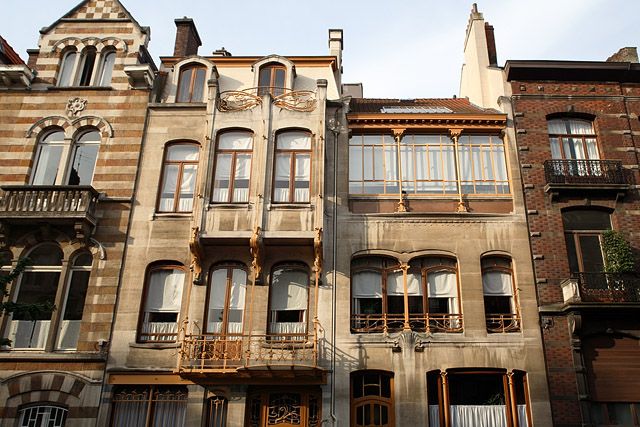

Nestled within the vibrant streets of Brussels, the Musée Horta stands as a testament to the genius of architect Victor Horta. This enchanting museum is not merely a collection of artifacts; it is the very embodiment of Art Nouveau and a reflection of the architectural innovations that characterized the late 19th and early 20th centuries in Belgium.
History and Origins
Victor Horta, born in 1861 in Ghent, became a pivotal figure in the Art Nouveau movement, which sought to break away from traditional architectural styles. The Musée Horta, located at Rue Américaine 25, was initially his private residence and studio, designed between 1898 and 1901. Horta's work was groundbreaking at the time, emphasizing organic forms and intricate designs that harmonized with nature. His contributions to architecture include around 110 buildings, with notable examples such as the Hotel Solvay and Hotel Van Eetvelde still gracing the city.
The museum was transformed into a public space in 1969, preserving Horta's legacy and allowing visitors to step into the world of one of Belgium’s most celebrated architects. The building itself is a masterpiece, showcasing the fluidity and innovation of Art Nouveau, characterized by its curvilinear forms, stained glass, and ornate ironwork.
Art and Architecture
Horta's architectural style is an exquisite blend of functionality and artistry. As you walk through the museum, you'll be captivated by the elegant lines and vibrant colors that define each room. The grand staircase, adorned with intricate wrought-iron railings, spirals gracefully upwards, leading to spaces that are both inviting and thought-provoking.
One of the museum's highlights is its stained glass, which filters the sunlight into a kaleidoscope of colors, creating a serene atmosphere. Each detail of the interior, from the wooden paneling to the carefully selected furniture, reflects Horta's philosophy of unity between architecture and design. The museum offers a rare glimpse into the life of Horta, showcasing not only his architectural prowess but also his artistic sensibilities.
Local Culture and Traditions
Brussels, a city steeped in history, is equally rich in culture and traditions. The annual Brussels Flower Carpet, which takes place every two years in August, celebrates the city’s floral heritage with a stunning tapestry of colorful flowers laid out in the Grand Place. Another highlight is the Ommegang, a historical pageant held each July that commemorates the arrival of Emperor Charles V in 1549, featuring parades, traditional costumes, and lively music.
The city is also known for its multicultural fabric, influenced by French, Dutch, and German traditions. This diversity is reflected in local customs and festivals, making Brussels a vibrant hub for art, music, and gastronomy.
Gastronomy
When visiting the Musée Horta, indulging in local gastronomy is a must. Belgium is renowned for its waffles, chocolate, and beer. Try a Liège waffle, characterized by its dense texture and caramelized sugar, or a Brussels waffle, known for its lightness and crispness. Pair these delights with a hot cup of Belgian hot chocolate, and you’ll experience a sweet taste of the city.
For a savory option, don’t miss the chance to savor moules-frites (mussels with fries), a beloved dish that showcases the country’s seafood. As you explore, pop into a local café to taste the renowned Trappist beers, brewed by monks in abbeys across Belgium. Each sip tells a story of tradition and craftsmanship.
Lesser-Known Curiosities
While many tourists flock to the more famous attractions, several hidden gems surround the Musée Horta. One such curiosity is Horta's own use of light; he designed spaces to maximize natural light, showcasing his deep understanding of the interplay between structure and environment. Additionally, the museum houses several pieces of furniture and decorative arts from the Art Nouveau period, which often go unnoticed by visitors but are crucial to understanding Horta's holistic vision.
Another fascinating detail is the way Horta incorporated personal elements into his designs. The entrance door, for instance, features a unique motif representing growth and renewal—reflecting his profound connection to nature.
Practical Visitor Information
The Musée Horta is open to the public year-round, with the best time to visit being during the spring and summer months when the gardens surrounding the museum bloom in vibrant colors. To fully appreciate the intricacies of Horta’s work, consider joining a guided tour, which often provides deeper insights into his life and architectural philosophy.
When planning your visit, check the museum's official website for special exhibitions or events that may coincide with your trip. Be sure to take your time exploring the various rooms, as each one reveals new details and stories.
As you immerse yourself in the beauty of the Musée Horta, let the experience inspire your journey through Brussels, where history, art, and culture intertwine seamlessly. For a personalized itinerary to explore this captivating city, consider using the Secret World app to tailor your adventure.


