
← Back

Muséum des Sciences Naturelles (Natural Sciences Museum)

Rue Vautier 29, 1000 Bruxelles, Belgio ★★★★☆ 755 views
Lara Carlson
Bruxelles
🏆 AI Trip Planner 2026

Get the free app

Discover the best of Bruxelles with Secret World — the AI trip planner with 1M+ destinations. Get personalized itineraries, hidden gems and local tips. Free on iOS & Android.

🧠 AI Itineraries 🎒 Trip Toolkit 🎮 KnowWhere Game 🎧 Audio Guides 📹 Videos
Scan to download iOS / Android
Scan for AppGallery Huawei users

About Muséum des Sciences Naturelles (Natural Sciences Museum)

Muséum des Sciences Naturelles (Natural Sciences Museum) - Bruxelles | Secret World Trip Planner

Nestled in the heart of Brussels, the Muséum des Sciences Naturelles is a treasure trove of natural history that captivates visitors with its extensive collection and rich storytelling. This museum is not just a showcase of specimens; it embodies centuries of scientific exploration and cultural appreciation for the natural world.

### History and Origins

The roots of the Muséum des Sciences Naturelles can be traced back to the mid-18th century, when it was initially part of the Royal Belgian Institute of Natural Sciences. Officially founded in 1846, the museum has evolved significantly over the years, mirroring the advancements in the fields of paleontology, zoology, and mineralogy. A key milestone in its history came in 1880 when the museum expanded its premises, allowing for a more comprehensive display of its vast collections.

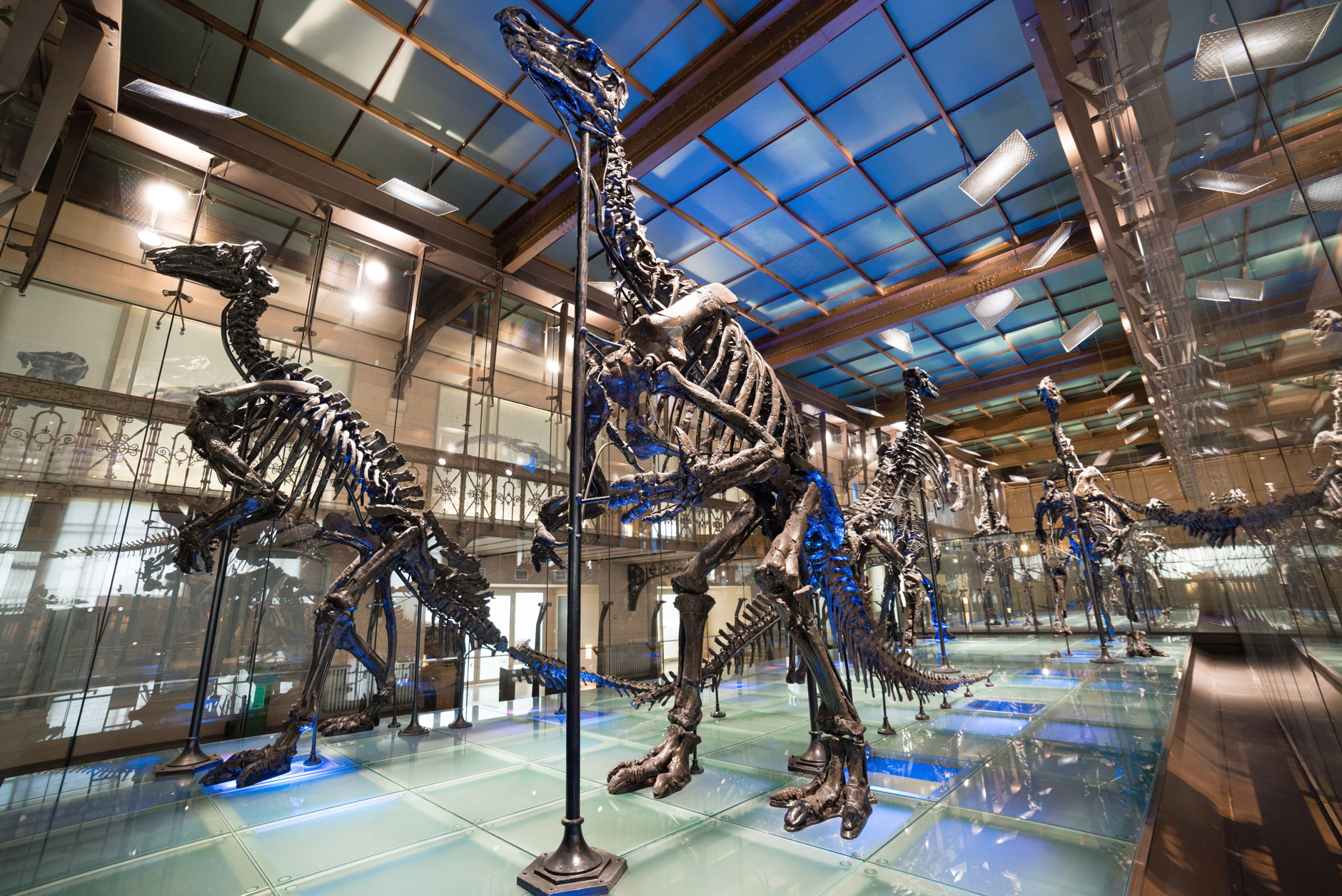
Throughout the years, the museum has played a crucial role in the scientific community, hosting significant exhibitions and contributing to important research. One highlight was the unveiling of its dinosaur collection in the early 20th century, which has since become one of the most impressive assemblages of dinosaur fossils globally, drawing paleontology enthusiasts from all over the world.

### Art and Architecture

The building itself is a marvel of 19th-century architecture, blending neoclassical and eclectic styles that reflect the grandeur of the period. Its impressive façade features intricate stonework and large, inviting windows that hint at the wonders within. Upon entering, visitors are greeted by soaring ceilings adorned with spectacular murals depicting scenes from the natural world.

Inside, the museum is equally captivating. Notable artworks include life-sized models of extinct species and meticulously crafted dioramas that bring various ecosystems to life. The artistic significance of these exhibits lies not only in their educational value but also in their ability to evoke a sense of wonder about the planet's biodiversity.

### Local Culture and Traditions

Brussels is known for its vibrant culture, blending influences from both French and Dutch-speaking communities. The museum itself is an integral part of this cultural landscape, often hosting events that celebrate local traditions, such as the Brussels Flower Carpet festival, where colorful floral designs cover the Grand Place.

In addition to festivals, the museum participates in educational initiatives, engaging local schools and communities in environmental awareness programs. This connection to local culture reinforces the importance of biodiversity while fostering a sense of responsibility towards the natural world.

### Gastronomy

No visit to Brussels is complete without indulging in its culinary delights. The proximity of the Muséum des Sciences Naturelles to the city’s renowned eateries means visitors can savor local specialties such as moules-frites (mussels and fries) or the beloved stoofvlees, a hearty beef stew.

After a day of exploration, stopping by a nearby pâtisserie for a Belgian waffle or some rich chocolate truffles is a perfect way to unwind. Pair these treats with a glass of Belgian beer, known for its diverse flavors, or a refreshing Lambic to experience the local gastronomy fully.

### Lesser-known Curiosities

While the dinosaur skeletons and marine exhibits draw the most attention, some lesser-known gems in the museum are equally fascinating. For instance, the museum houses a unique collection of fossilized plants that date back millions of years, showcasing the evolution of flora alongside fauna.

Another hidden detail is the museum’s focus on the impact of climate change on marine life, particularly highlighted in its Arctic and Antarctic exhibitions. This timely presentation serves as a reminder of the fragility of our ecosystems, encouraging visitors to contemplate their role in environmental stewardship.

### Practical Visitor Information

The best time to visit the Muséum des Sciences Naturelles is during the spring and autumn months, when the weather is mild, and the tourist crowds are smaller. It is advisable to allocate at least a few hours to fully explore the museum’s extensive collections, especially if you want to delve into the interactive exhibits designed for all ages.

For a more enriching experience, consider joining one of the guided tours offered by the museum, which provide deeper insights into the exhibits and their significance. Don’t forget to check out the museum shop, where you can find unique souvenirs, from educational toys to books on natural history.

To truly explore the wonders of Brussels beyond the museum, consider using the Secret World app to create a personalized AI itinerary tailored to your interests.

🗺 AI Trip Planner

Plan your visit to Bruxelles

Suggested itinerary near Muséum des Sciences Naturelles (Natural Sciences Museum)

MAJ+
500.000+ travelers worldwide
  1. 🌅
    Morning
    Muséum des Sciences Naturelles (Natural Sciences Museum)
    📍 Bruxelles
  2. ☀️
    Afternoon
    Parc du Cinquantenaire or Jubelpark
    📍 1.1 km · Bruxelles
  3. 🌆
    Evening
    Bruxelles | Musée BELVUE
    📍 1.3 km · Bruxelles

Buy Unique Travel Experiences

Powered by Viator

See more on Viator.com

Explore nearby · Bruxelles
