
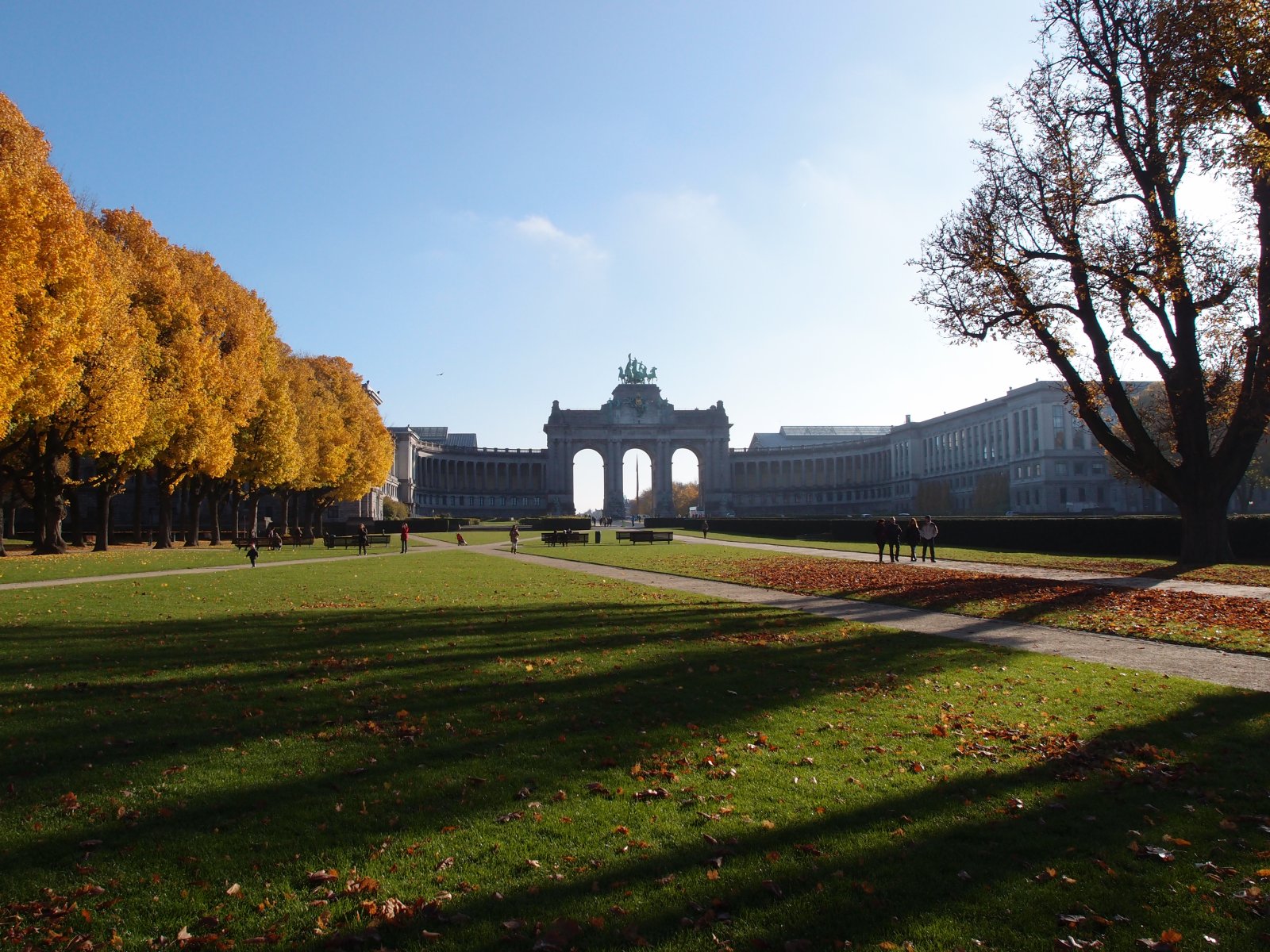
Parc du Cinquantenaire, or Jubelpark, is not just a park; it is a testament to the rich tapestry of Belgium’s history and its aspirations. Nestled in the easternmost part of the European Quarter in Brussels, this sprawling 30-hectare urban oasis invites visitors to explore its lush gardens, remarkable architecture, and the cultural heritage that it embodies.
### History and Origins
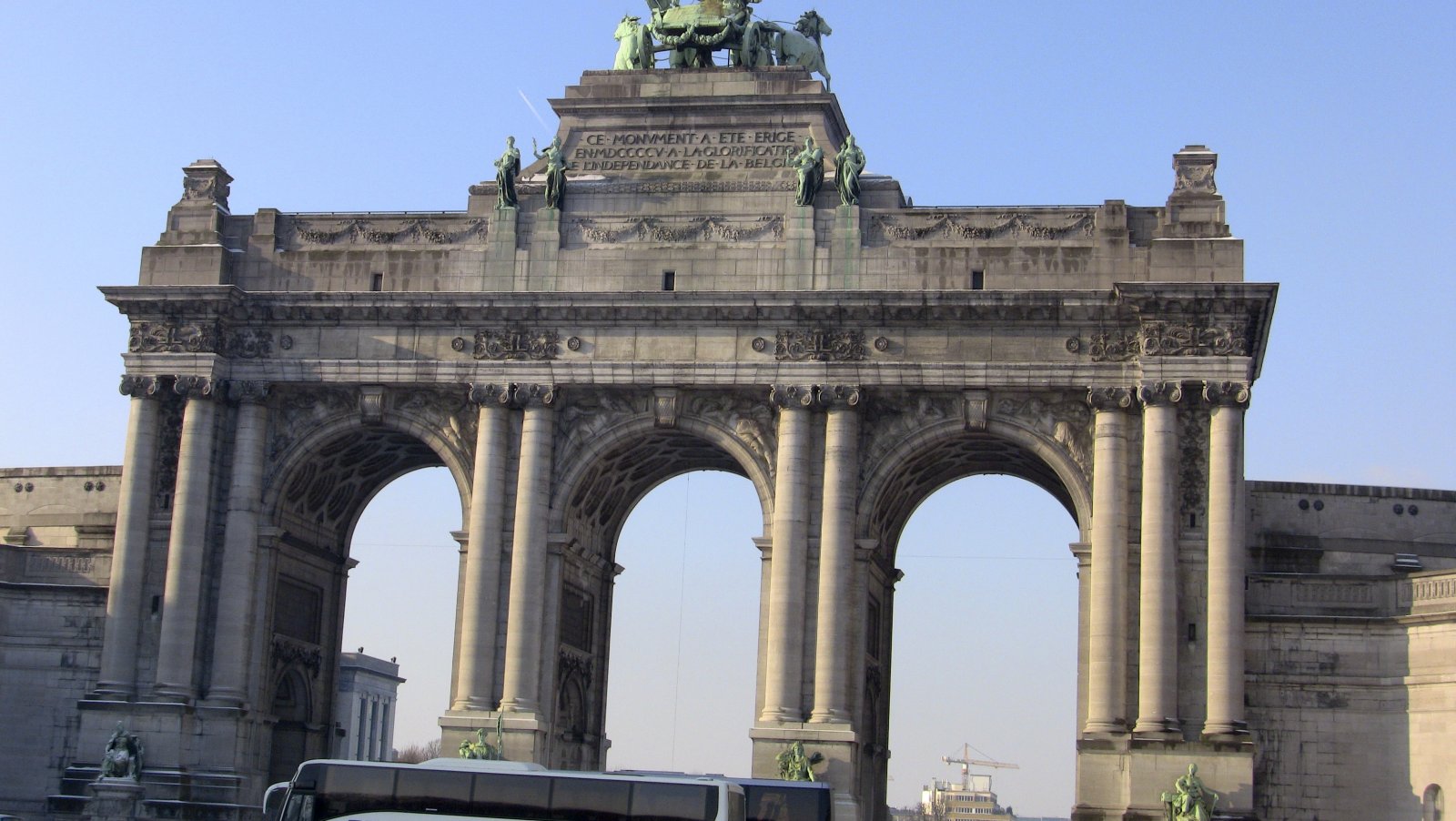
The park's origins trace back to 1880, when it was established to commemorate the fiftieth anniversary of Belgian independence. Commissioned by the Belgian government under King Leopold II, the initial concept was to host the National Exhibition. The grand vision was realized through a U-shaped complex, which would eventually house several remarkable structures. The centerpiece, a triumphal arch designed by architect Gédéon Bordiau, was erected in 1905, replacing a temporary version that had served its purpose during the exhibition.
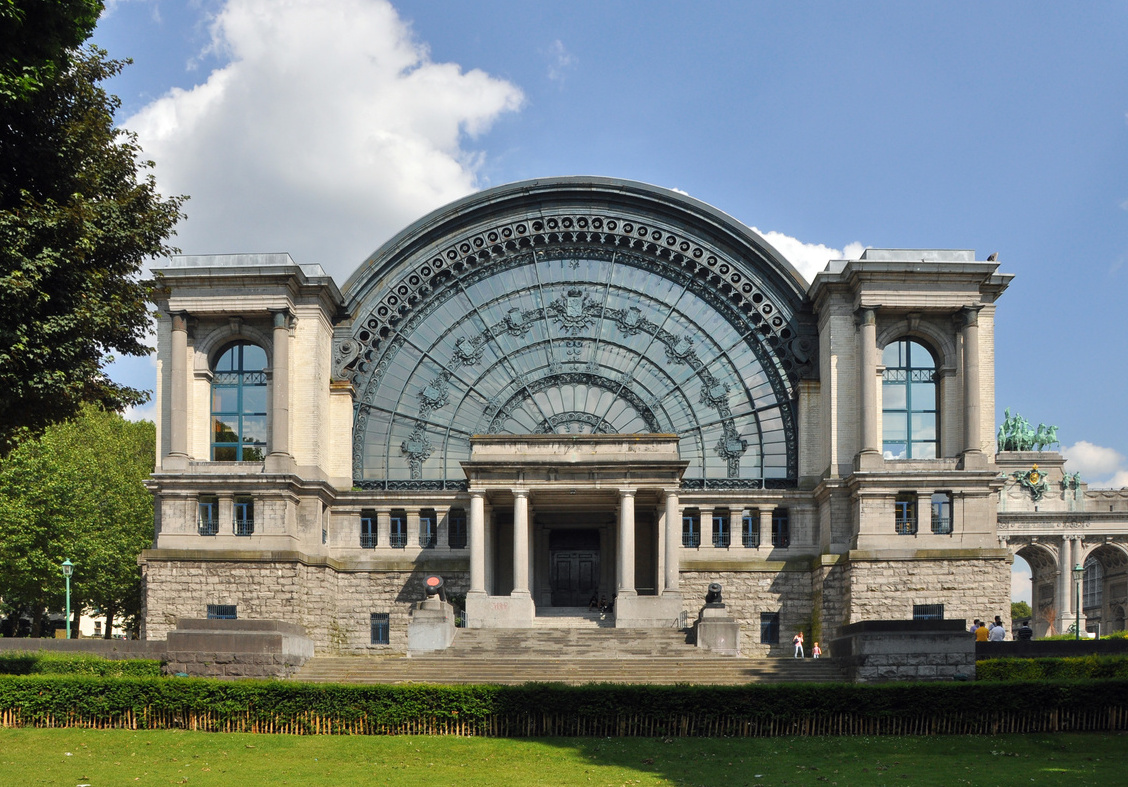
Over the years, the park evolved to reflect Belgium's industrial prowess. Successive exhibitions led to the addition of several striking buildings, constructed from iron, glass, and stone—materials that symbolized the nation’s economic and industrial capabilities. In 1930, the government decided to transform Cinquantenaire into a leisure park, thereby ensuring that its beauty and significance would be accessible to the public.
### Art and Architecture
Walking through Parc du Cinquantenaire is akin to strolling through an open-air museum. The art deco and neoclassical styles of the buildings create a visual feast. The Royal Museum of the Armed Forces and Military History and the Autoworld museum are two notable structures that reflect the park's artistic significance. The Museum of Art and History, located in the Palais des expositions, showcases a rich collection of artifacts that narrate Belgium’s story through the ages.
The park’s triumphal arch stands as a proud symbol of national pride, adorned with intricate sculptures representing various allegorical figures. These artworks are not merely decorative; they serve as historical markers, reminding visitors of Belgium's journey and achievements. The beautifully landscaped gardens, punctuated by fountains and ponds, add to the park's aesthetic charm, making it a haven for both relaxation and reflection.
### Local Culture and Traditions
Parc du Cinquantenaire plays a significant role in local culture, often serving as a venue for festivals, exhibitions, and community events. The park's vast open spaces are popular for picnics, outdoor yoga classes, and casual gatherings among locals. In the spring, the blooming flowerbeds attract visitors and photographers eager to capture the vibrant colors.
One of the park’s annual highlights is Heritage Days, where its historical buildings open their doors for free visits. This event not only showcases the architectural wonders but also connects the community, offering workshops, guided tours, and performances that celebrate Belgian culture.
### Gastronomy
While the park itself is a feast for the eyes, the culinary offerings nearby are equally enticing. Local delicacies such as moules-frites (mussels and fries) and waffles can be found in cafes and bistros surrounding the park. Be sure to try a beer tasting experience featuring Belgian Trappist beers, renowned for their rich flavors and brewing traditions.
As you wander through the park, you may also encounter food trucks and stands selling traditional Belgian chocolates and speculoos, a spiced shortcrust biscuit that is a local favorite. Pairing these treats with a cup of locally brewed coffee makes for an authentic Belgian experience.
### Lesser-known Curiosities
Beyond its grandeur, Parc du Cinquantenaire holds many secrets waiting to be uncovered. For instance, few visitors know that the park contains a hidden underground tunnel, once used for military purposes, which adds an element of intrigue. Additionally, the park features a unique restoration project for the bronze statues that adorn the arch, which are periodically cleaned and restored to maintain their historical integrity.
Another surprising fact is that the park’s name translates to “Park of the Fifty” in French, symbolizing the fifty years since Belgium's independence. This connection to national identity runs deep, making every visit not just a leisurely outing but also a journey through history.
### Practical Visitor Information
The best time to visit Parc du Cinquantenaire is during the warmer months, from April to October, when the gardens are in full bloom and the weather is perfect for outdoor activities. To make the most of your visit, consider arriving early in the day to enjoy a peaceful stroll before the crowds gather.
Be sure to look out for the military parades that sometimes take place, as they provide a unique glimpse into Belgium's traditions. Bring a camera to capture the stunning architecture and vibrant gardens, and don’t forget to take a leisurely walk through the museums to deepen your understanding of Belgian history.
As you plan your visit to this beautiful urban escape, consider using the Secret World app to create a personalized AI itinerary that will enhance your exploration of Brussels.