
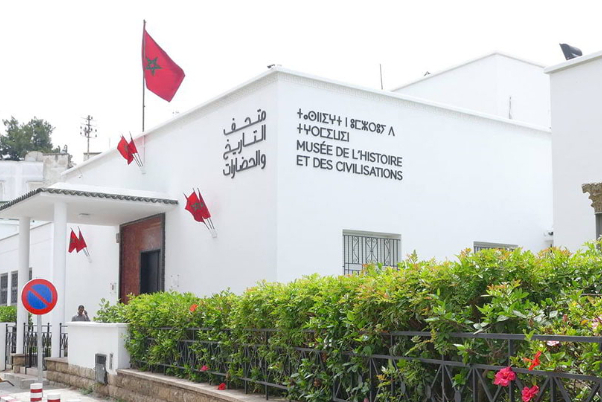

In the heart of Rabat, Morocco's political and administrative capital, lies a treasure trove of history waiting to be explored: the Rabat Archaeology Museum. Established in 1932, this museum is a beacon for history enthusiasts, housing the country's most comprehensive archaeological collection. As you step into its hallowed halls, you embark on a journey through time, encountering civilizations that have long since faded but continue to influence Morocco's rich cultural tapestry.
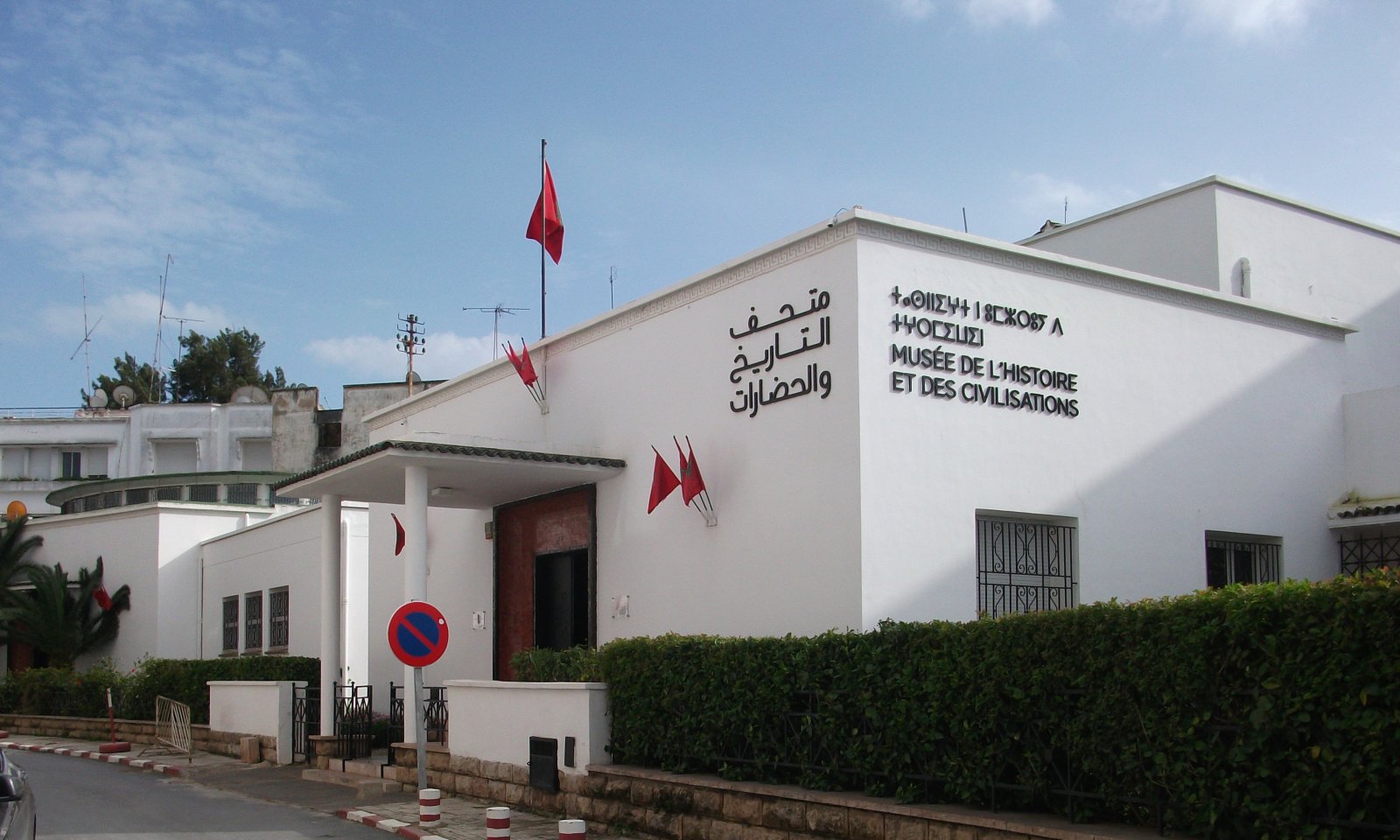
The museum's origins are deeply intertwined with Morocco's colonial past. During the French Protectorate, efforts to preserve and study the region's ancient history intensified, leading to the museum's establishment. It offers a window into pre-Roman civilisations, such as the Berbers who were among the first inhabitants of the region. The museum's collection boasts an impressive array of artifacts from the Roman and Hellenistic periods, providing insights into the cultural and artistic exchanges that shaped the Mediterranean basin.
Architecturally, the museum is a blend of traditional and colonial styles, reflecting Morocco's layered history. The building itself, with its classic lines and spacious galleries, is an artifact of the early 20th century. As you wander through the museum, you'll encounter notable artworks, including intricate mosaics and sculptures. The collection of bronzes, particularly from the ancient city of Volubilis, stands out for its craftsmanship and historical significance. These pieces, depicting Roman gods and everyday life, are not just relics but storytellers, whispering tales of an era when Volubilis was a thriving Roman outpost.
The museum is more than a repository of ancient relics; it is a testament to Morocco's cultural heritage. Rabat itself, a UNESCO World Heritage site, is steeped in history and tradition. The local culture is vibrant, with customs and festivals that echo the rhythms of the past. Visitors might time their trip to coincide with Mawazine, an annual world music festival held in Rabat, celebrating the city's role as a crossroads of cultures.
A visit to Rabat is incomplete without indulging in the local gastronomy. Moroccan cuisine is a rich tapestry of flavors, influenced by Berber, Arab, and French culinary traditions. Near the museum, you can savor dishes such as tagine, a slow-cooked stew of meat and vegetables spiced with cumin, saffron, and ginger. Don't miss the opportunity to try harira, a hearty soup traditionally eaten during Ramadan, or pastilla, a flaky pastry filled with pigeon meat and almonds. Pair these with a glass of mint tea, a staple of Moroccan hospitality, to complete your culinary journey.
Among the museum's lesser-known curiosities is its collection of ancient jewelry and pottery, often overlooked by visitors. These items provide a glimpse into the daily lives and artistic expressions of ancient Moroccans. One intriguing artifact is a Roman sundial, a rare find that underscores the advanced engineering skills of the period. Another hidden gem is the collection of Phoenician artifacts, offering insight into the early seafaring people who traded along Morocco's coast.
For those planning a visit, the best time to explore the museum is during the cooler months from October to April, when the weather in Rabat is mild and pleasant. The museum is conveniently located in the city center, making it easily accessible by public transport. Allocate at least a couple of hours to fully appreciate its extensive collection. As you explore, take note of the detailed signage in multiple languages, which provides context and enhances understanding of the exhibits.
In conclusion, the Rabat Archaeology Museum is not just a place to view ancient artifacts; it is a portal to Morocco's soul. It invites you to delve into the past, offering insights into the civilizations that have shaped this fascinating country. Whether you're an avid historian or a curious traveler, this museum promises an enriching experience that will linger in your memory long after you've left its storied halls.


