
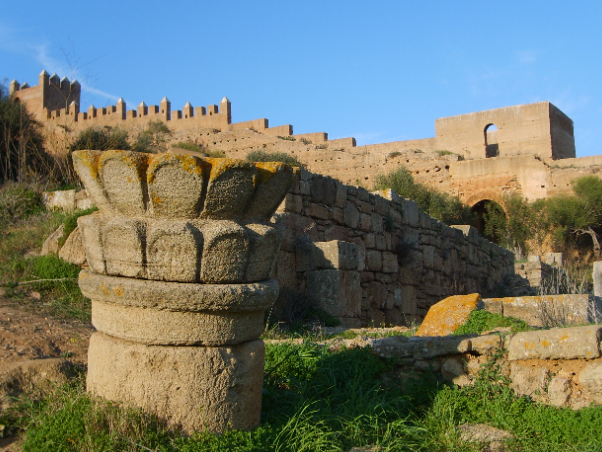

The Chellah Necropolis, a mesmerizing tapestry of history and culture, cradles the echoes of past civilizations along the tranquil banks of the Bou Regreg River in Rabat, Morocco. It's a place where time stands still, allowing visitors to journey through layers of history that span centuries. As you step through its ancient gates, you're not just entering a historical site; you're embarking on a voyage through the annals of time.
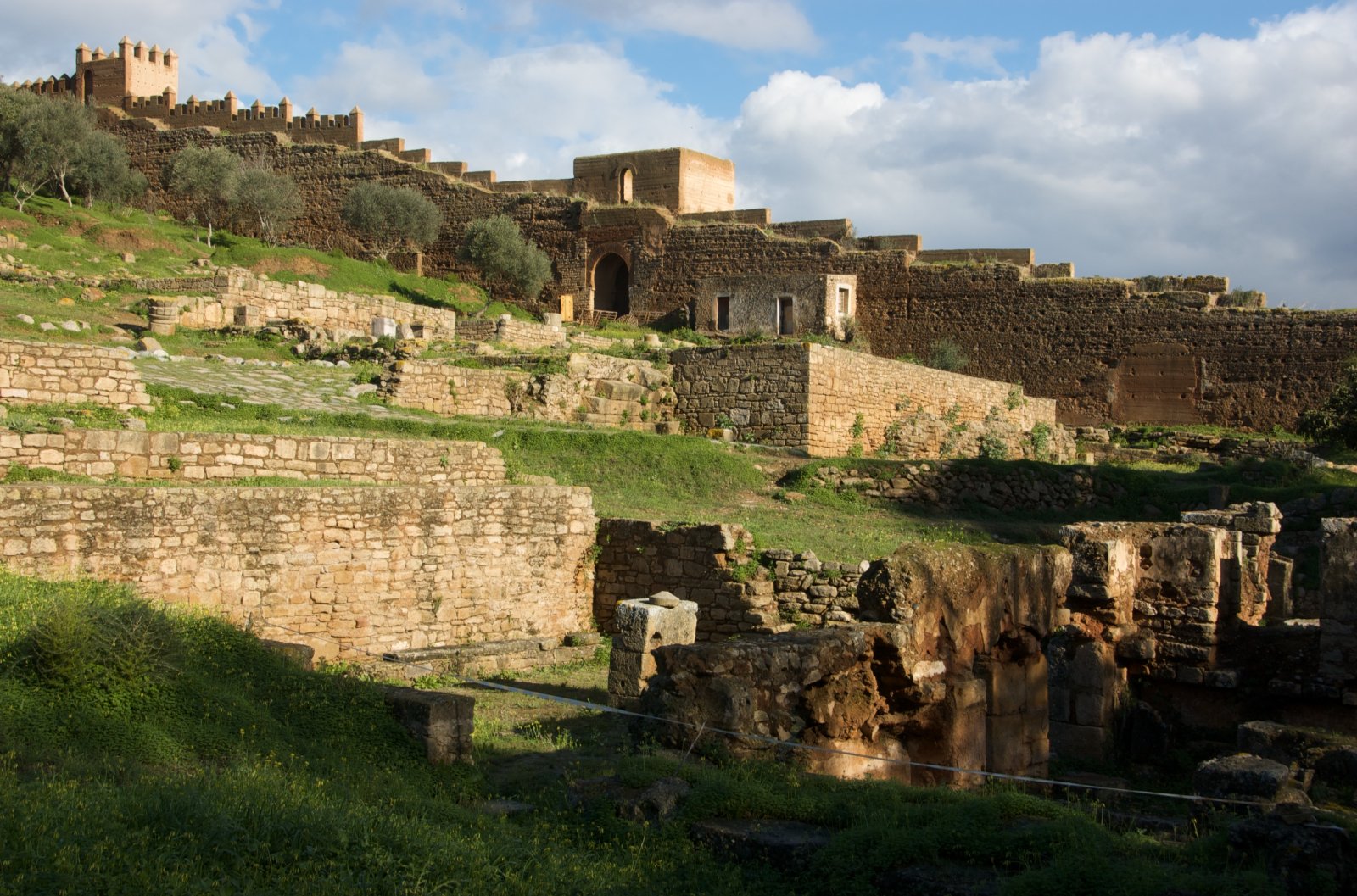
The origins of Chellah trace back to the Phoenicians and Carthaginians, who were among the earliest settlers to recognize the strategic significance of this site. However, it was the Romans who left an indelible mark by establishing the town of Sala Colonia here in the 1st century AD. This settlement thrived as a vital trade outpost, connecting the African hinterlands with the Mediterranean world. After the fall of the Roman Empire, the area fell into disuse until the 13th century when the Marinid dynasty transformed it into a necropolis. Sultan Abu al-Hasan Ali ibn Othman fortified the site, erecting monumental walls and a grand gateway, which still stand today, guarding the secrets of the past.
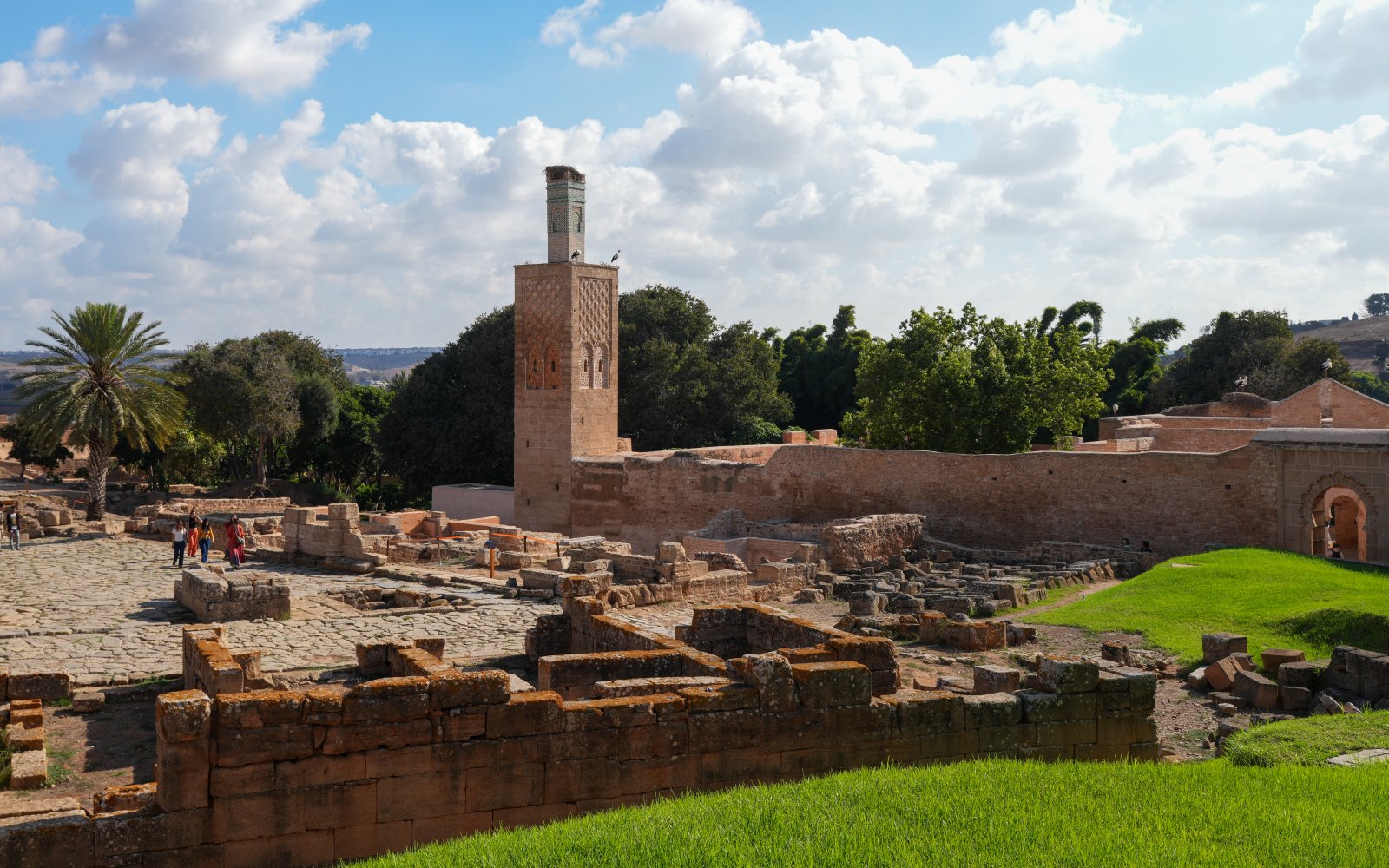
The architectural allure of Chellah is a captivating blend of Roman ruins and Islamic influences. The remnants of ancient baths, a forum, and a triumphal arch from the Roman era are intertwined with the Islamic necropolis, which features intricate zellij tilework and majestic arches. The striking minaret adorned with storks' nests is a testament to the site's evolving narrative, harmoniously blending human craftsmanship with nature. Strolling through the site, you'll encounter mosaics that once graced Roman floors, now serving as a mosaic of time itself.
Chellah is more than a historical site; it is a vibrant part of local culture. The people of Rabat regard it as a sacred place, where the spirits of ancestors linger. Every year, the Moulay Abdallah Ben Hassoun festival breathes life into the necropolis, as locals gather to honor the saint associated with the site. It's a time of music, prayer, and communal celebration, offering a rare glimpse into the spiritual heartbeat of the community.
While Chellah itself is not a culinary destination, the surrounding city of Rabat offers a rich tapestry of Moroccan gastronomy. A visit to the nearby medina reveals a world of flavors, from the aromatic tagine dishes simmered with spices to the sweet delights of chebakia, a honey-coated pastry. The local specialty, Rfissa, a savory dish made with chicken, lentils, and a unique fenugreek-infused broth, is a must-try for those looking to immerse themselves in the region's culinary heritage.
Beyond the well-trodden paths, Chellah holds lesser-known mysteries. The site's gardens are a haven for birdwatchers, home to a variety of species, including the iconic storks. These birds have made their nests atop ancient minarets, creating a scene emblematic of the harmony between nature and ancient ruins. Legend has it that the waters of the site's natural spring possess healing properties, a belief that has been passed down through generations.
For those planning a visit, the best time to explore Chellah is during the spring and autumn months when the weather is mild, and the gardens are in full bloom. Arrive early to avoid the midday heat and to experience the tranquility of the site before the crowds. Be sure to wear comfortable shoes, as the terrain can be uneven, and take your time to linger in the shaded corners and hidden alcoves that tell stories of their own.
In the end, the Chellah Necropolis is not just a destination but a narrative of time, a mosaic of cultures, and a celebration of the resilience of history. It invites you to not just witness its splendor but to become a part of its ongoing story, where every visitor contributes to the tapestry of its legacy.


