
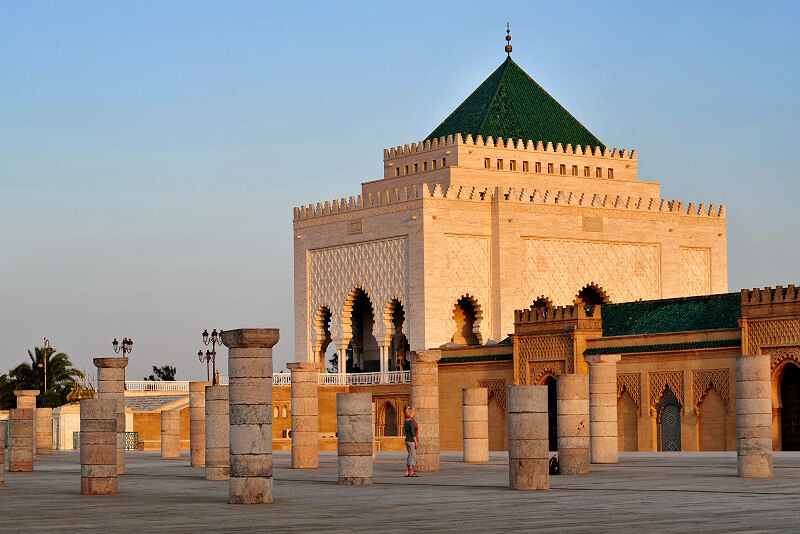

The Mausoleum of Mohammed V stands as a monument of national pride in Rabat, Morocco, encapsulating the spirit of a nation that fought hard for its independence. This stunning white marble structure, built between 1962 and 1967, is not only a resting place for the revered Sultan but also a testament to the artistry and cultural richness of Morocco. Designated a UNESCO World Heritage Site in 2012, it is a must-visit for anyone seeking to understand the historical narrative of this enchanting country.
History and Origins The story of the Mausoleum begins with the life of Mohammed V, the Sultan who played a pivotal role in Morocco's path to independence from French colonial rule. Born on August 10, 1909, he ascended to the throne in 1927. His reign was marked by two distinct periods; he was exiled by the French in 1953, only to return in 1955 after a popular uprising. He became king in 1957 and led Morocco toward independence, which was achieved in 1956. Mohammed V passed away on February 26, 1961, leaving behind a legacy that would inspire the construction of this grand mausoleum.
Art and Architecture The architectural style of the mausoleum is a striking blend of Arab-Andalusian aesthetics, characterized by intricate tile work, carved stucco, and grand arches. The mausoleum's exterior is adorned with white marble, which gleams against the azure sky, creating a breathtaking sight. Inside, the large square room houses the tombs of Mohammed V, his son Prince Moulay Abdellah, and King Hassan II, all framed by ornate ceilings and beautifully decorated walls.
Notably, around 400 craftsmen dedicated ten years to this project, ensuring that every detail reflected the highest standards of Moroccan artistry. The use of zellige (mosaic tilework) and muhadab (stucco decoration) resonates with the historical craftsmanship of the region, making the mausoleum a significant artistic achievement.
Local Culture and Traditions The Mausoleum of Mohammed V is not merely a tourist attraction; it is a vital piece of Moroccan identity. The site is often visited by locals, especially during national holidays, such as Independence Day on November 18, when Moroccans commemorate their liberation from colonial rule. Visitors can witness how the mausoleum serves as a gathering place for reflection and reverence.
In addition, the nearby Hassan Tower, an unfinished minaret of a mosque, adds to the cultural significance of the area. The two sites together represent the historical and architectural grandeur of Rabat, embodying the resilient spirit of the Moroccan people.
Gastronomy A visit to the mausoleum can be complemented by indulging in local cuisine. Just a short distance from the site, you can find traditional Moroccan dishes such as tagine, a slow-cooked stew, and couscous, often served on Fridays in Moroccan households. Don't miss out on mint tea, a symbol of hospitality, which is usually served with a generous amount of sugar and fresh mint leaves. The bustling markets nearby offer an array of spices and local delicacies that capture the essence of Moroccan gastronomy.
Lesser-known Curiosities One fascinating detail that many visitors overlook is the guard of honor that stands at the entrance of the mausoleum. Known as the Royal Guard, these soldiers wear striking traditional uniforms and perform ceremonial duties, adding a sense of majesty to the site. Additionally, the mausoleum is often less crowded in the late afternoon, allowing for a more peaceful experience as you soak in the atmosphere.
Another interesting fact is that the mausoleum features a beautiful library filled with historical manuscripts and texts that reflect the rich literary heritage of Morocco, though it is not always open to the public.
Practical Visitor Information The best time to visit the Mausoleum of Mohammed V is during the spring (March to May) or fall (September to November) when the weather is mild and pleasant. Make sure to dress modestly, respecting the cultural significance of the site. When visiting, take your time to admire the intricate details of the architecture and consider joining a guided tour to gain deeper insights into the history and significance of this remarkable place.
In conclusion, the Mausoleum of Mohammed V is more than just a tomb; it’s an emblem of national pride and a beautiful representation of Moroccan artistry and culture. To enrich your experience in Rabat, consider using the Secret World app to plan a personalized AI itinerary that guides you through the city’s myriad treasures.


