
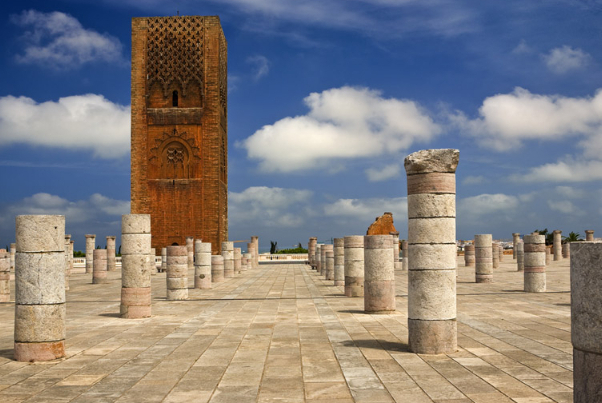

In the heart of Rabat, Morocco's charming capital, stands a silent sentinel of history: the Hassan Tower. This unfinished minaret is a compelling remnant of the grand ambitions of the Almohad dynasty, a period marked by architectural ingenuity and imperial expansion. Its story is a poignant reminder of the ephemerality of human endeavors, offering a window into the past that is as intriguing as it is incomplete.
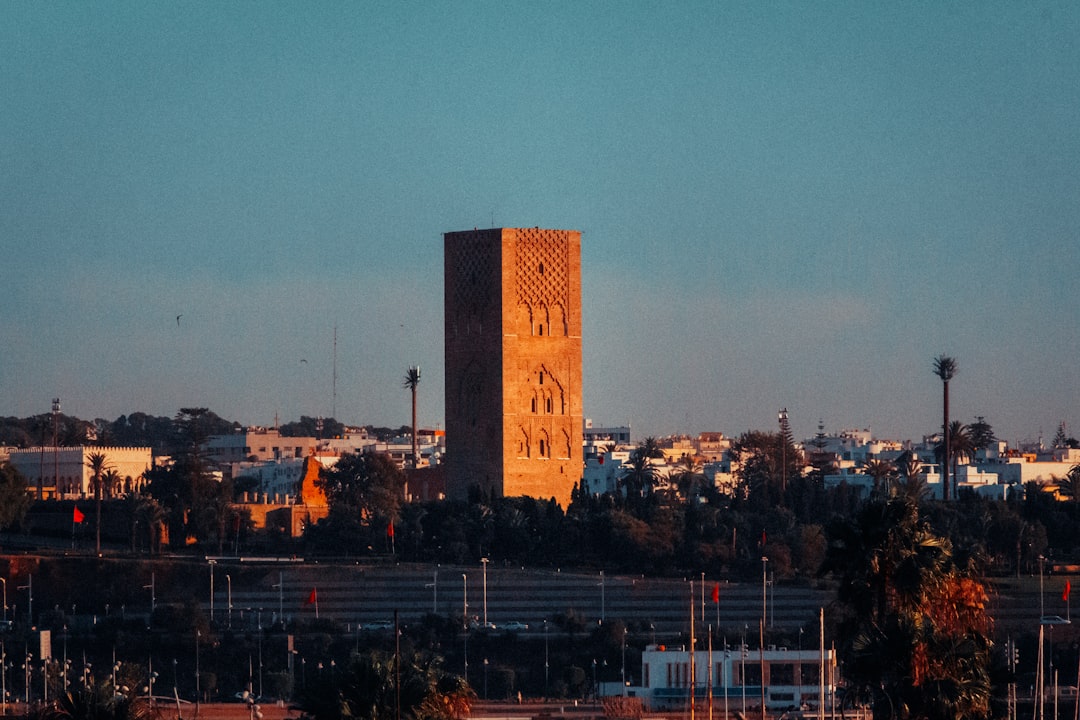
The tale of the Hassan Tower begins in the late 12th century, under the reign of Sultan Yacoub al-Mansour. Al-Mansour, known for his military prowess and architectural vision, sought to construct the world's largest mosque, a symbol of Islamic triumph and Almohad might. The tower, intended to be the grand minaret of this ambitious project, commenced construction in 1195. It was envisioned to soar 86 meters high, but fate had other plans. The Sultan's death in 1199 brought the project to an abrupt halt, leaving the tower frozen at 45 meters. Today, it stands as a testament to the Almohad's architectural ambition, surrounded by what remains of the mosque: an expanse of columns and ruined walls that hint at its intended grandeur.
Architecturally, the Hassan Tower is a masterpiece of Moorish design. Its red sandstone facade is adorned with intricate patterns that speak of the Almohad's mastery in merging aesthetic beauty with structural functionality. The latticework and geometric designs are not just decorative but serve to illustrate the sophistication of Islamic art during this period. Although unfinished, the tower's presence is commanding, a reminder of a time when Rabat was poised to rival even the most magnificent cities of the Islamic world.
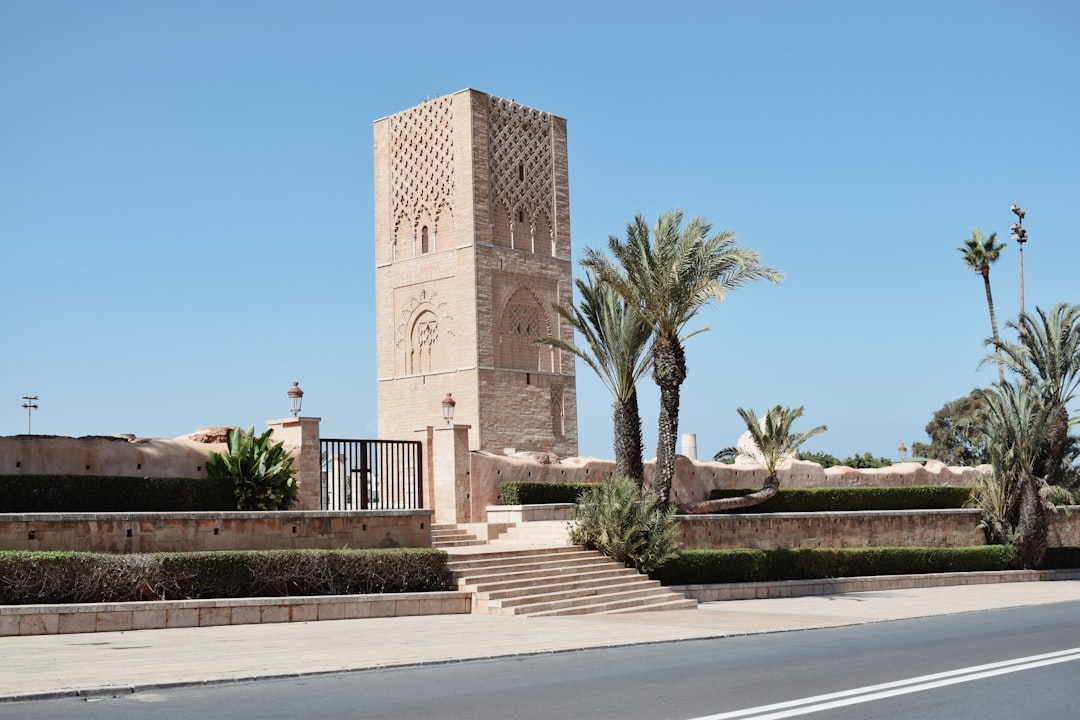
Beyond its historical and architectural significance, the Hassan Tower also plays a pivotal role in Rabat's cultural landscape. The site is a popular gathering place for locals, especially during the holy month of Ramadan, when the area comes alive with communal Iftar meals and evening prayers. It's a beloved location for national celebrations, where the community gathers to mark important events, reinforcing its status as a cultural and historical landmark.
No visit to Rabat would be complete without indulging in the city's vibrant gastronomy. The flavors of Rabat are a delightful blend of tradition and innovation, with dishes that reflect the city's rich history. Don't miss trying tagine, a slow-cooked stew of meats and vegetables, spiced with cumin and saffron, served with couscous or fresh bread. Another local favorite is b'stilla, a savory pie that combines layers of flaky pastry with spiced pigeon or chicken and almonds, dusted with cinnamon and sugar. To wash it down, enjoy a glass of sweet mint tea, a staple in Moroccan culture, symbolizing hospitality and friendship.
While the Hassan Tower itself is a well-known landmark, there are lesser-known tales that add layers to its story. For instance, legend has it that the tower's intricate carvings are not merely decorative but were designed to reflect the Sultan's vision of paradise, with every detail meticulously crafted to capture the essence of the divine. Another intriguing aspect is the alignment of the tower with the nearby Mausoleum of Mohammed V, creating a harmonious balance between the past and present, a visual dialogue between unfinished ambition and modern reverence.
For those planning a visit, the best time to explore the Hassan Tower is during the cooler months from October to April, when the weather is mild and conducive to leisurely exploration. Arrive early in the morning or late afternoon to avoid the crowds and capture the tower's beauty in the soft, golden light. As you wander through the site, take a moment to appreciate the panoramic views of the city and the Bouregreg River, which provide a stunning backdrop to this architectural marvel.
The Hassan Tower is not just a monument; it is a narrative of dreams interrupted, a relic of an era that envisioned greatness but was curtailed by the inevitable march of time. To stand before it is to stand in the presence of history, to feel the weight of centuries and the silent stories they carry. As the sun sets over Rabat, casting long shadows across the tower's ancient stones, one can't help but reflect on the enduring legacy of ambition, artistry, and faith that the Hassan Tower represents.


