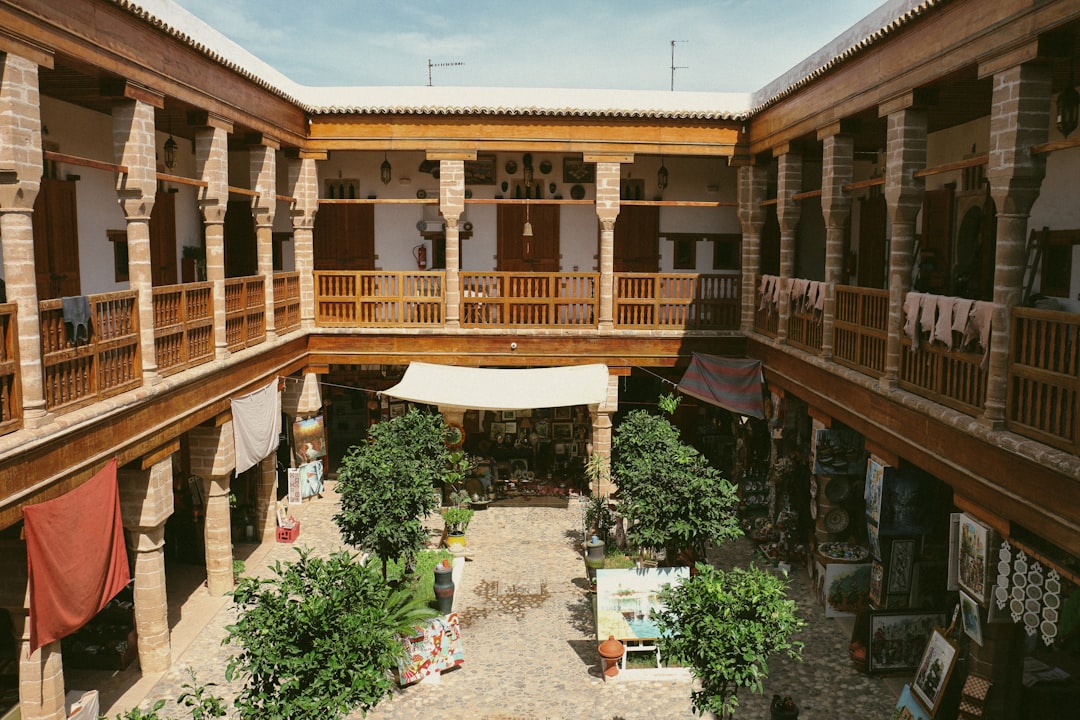
Nestled along the banks of the Bou Regreg River, Rabat's rambling Medina is a captivating blend of history, culture, and architectural beauty. Unlike the bustling souks of Fes and Marrakesh, Rabat's Medina offers a more serene experience, steeped in the charm of 17th-century Andalusian architecture. This area’s story begins in the late 15th century when Muslims fleeing the Reconquista in Spain sought refuge in North Africa, bringing with them their rich architectural styles and cultural practices. The distinctive whitewashed buildings, intricately carved wooden doors, and lush gardens reflect the Andalusian heritage, making this Medina a unique gem of Morocco. The architectural marvels, such as the Kasbah of the Udayas and the Grand Mosque, stand testimony to Rabat's historical significance as a royal city and cultural hub. The Kasbah, in particular, boasts a stunning view of the Atlantic Ocean and features charming narrow streets adorned with vibrant blue and white walls. These artistic elements are not just for show; they tell stories of resilience, migration, and cultural fusion that continue to shape Rabat today. Local customs are deeply woven into the fabric of life in the Medina. Traditional Moroccan festivals like Eid al-Fitr and Mawlid are celebrated with great fervor, where the community comes together to share meals, music, and prayers. The Medina is lively with the sounds of street musicians and artisans showcasing their crafts, reflecting a communal spirit that thrives in this historic area. Food is an integral part of the Rabat experience, with local specialties that tantalize the taste buds. Be sure to try tagine, a slow-cooked stew often made with lamb, vegetables, and aromatic spices, or indulge in pastilla, a savory pie filled with pigeon or chicken and dusted with sugar and cinnamon. For a refreshing drink, sample a glass of mint tea, a symbol of hospitality in Moroccan culture. Hidden gems await in the winding alleys of the Medina. Look closely and you might stumble upon the Dar al-Makhzen, a royal palace that is not open to the public but is surrounded by splendid gardens. Or discover the Fondation Nationale des Musées, which hosts various exhibitions showcasing Morocco's rich artistic heritage. The best time to visit Rabat's Medina is during the spring (March to May) or fall (September to November) when the weather is mild and pleasant. Wear comfortable shoes as you wander through the cobbled streets, and don't hesitate to engage with local vendors—many are eager to share the stories behind their crafts. Keep an eye out for the souks of Souk es Sebbat and Rue Souka, where you can find everything from intricate textiles to handmade pottery. To truly immerse yourself in the experience, consider setting your itinerary with the Secret World app for a personalized journey through Rabat's Medina. Rabat's rambling Medina is not just a destination; it’s a living tapestry of history, art, culture, and gastronomy waiting to be explored.