
← Back

The Mar Saba Monastery

Israel ★★★★☆ 662 views
Fabiana Speer
🏆 AI Trip Planner 2026

Get the free app

Discover the best of {city} with Secret World — the AI trip planner with 1M+ destinations. Get personalized itineraries, hidden gems and local tips. Free on iOS & Android.

🧠 AI Itineraries 🎒 Trip Toolkit 🎮 KnowWhere Game 🎧 Audio Guides 📹 Videos
Scan to download iOS / Android
Scan for AppGallery Huawei users

About The Mar Saba Monastery

The Mar Saba Monastery | Secret World Trip Planner

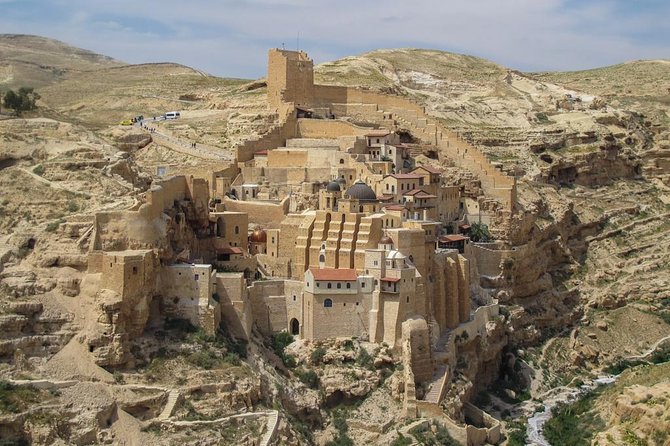
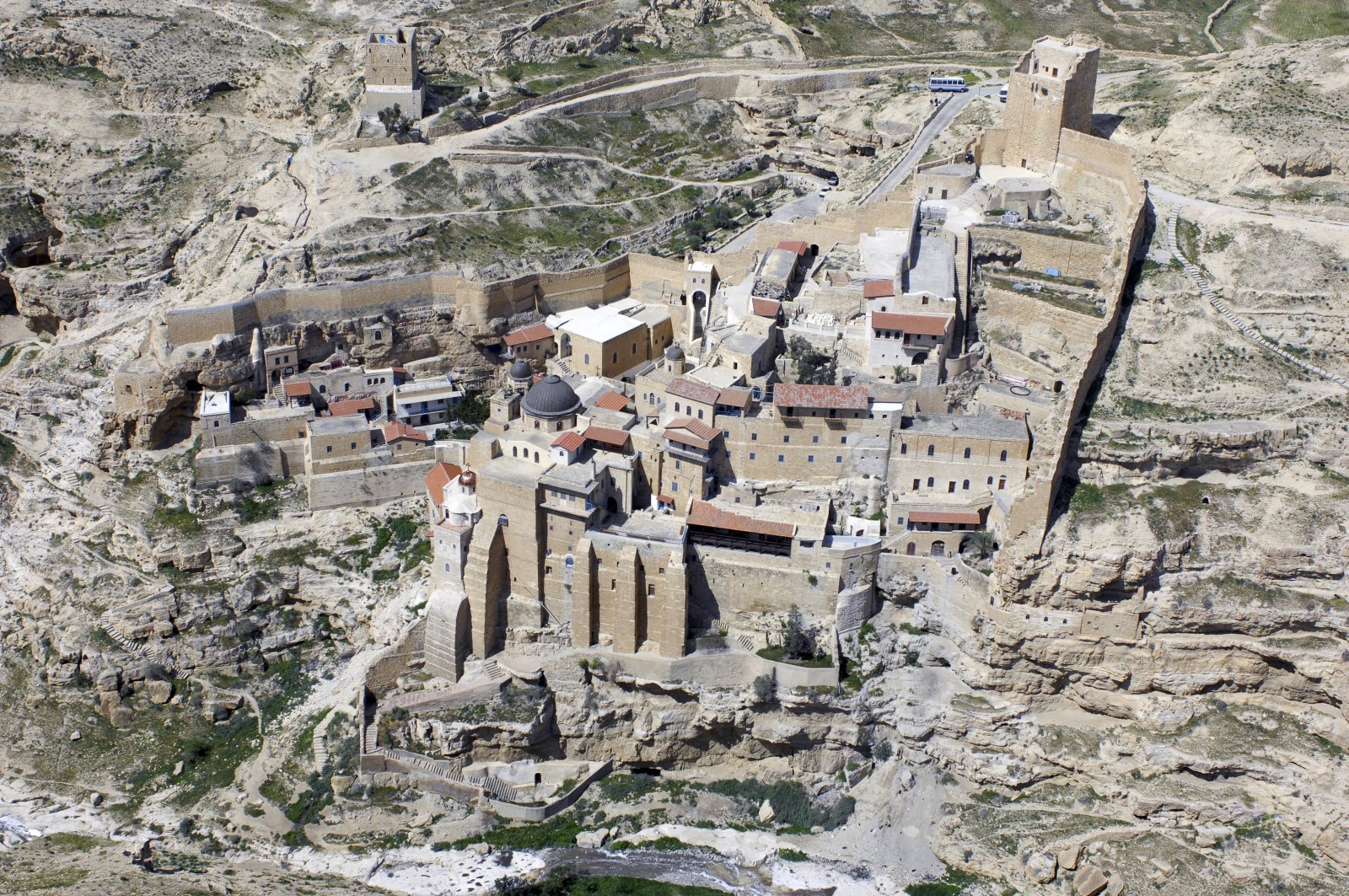
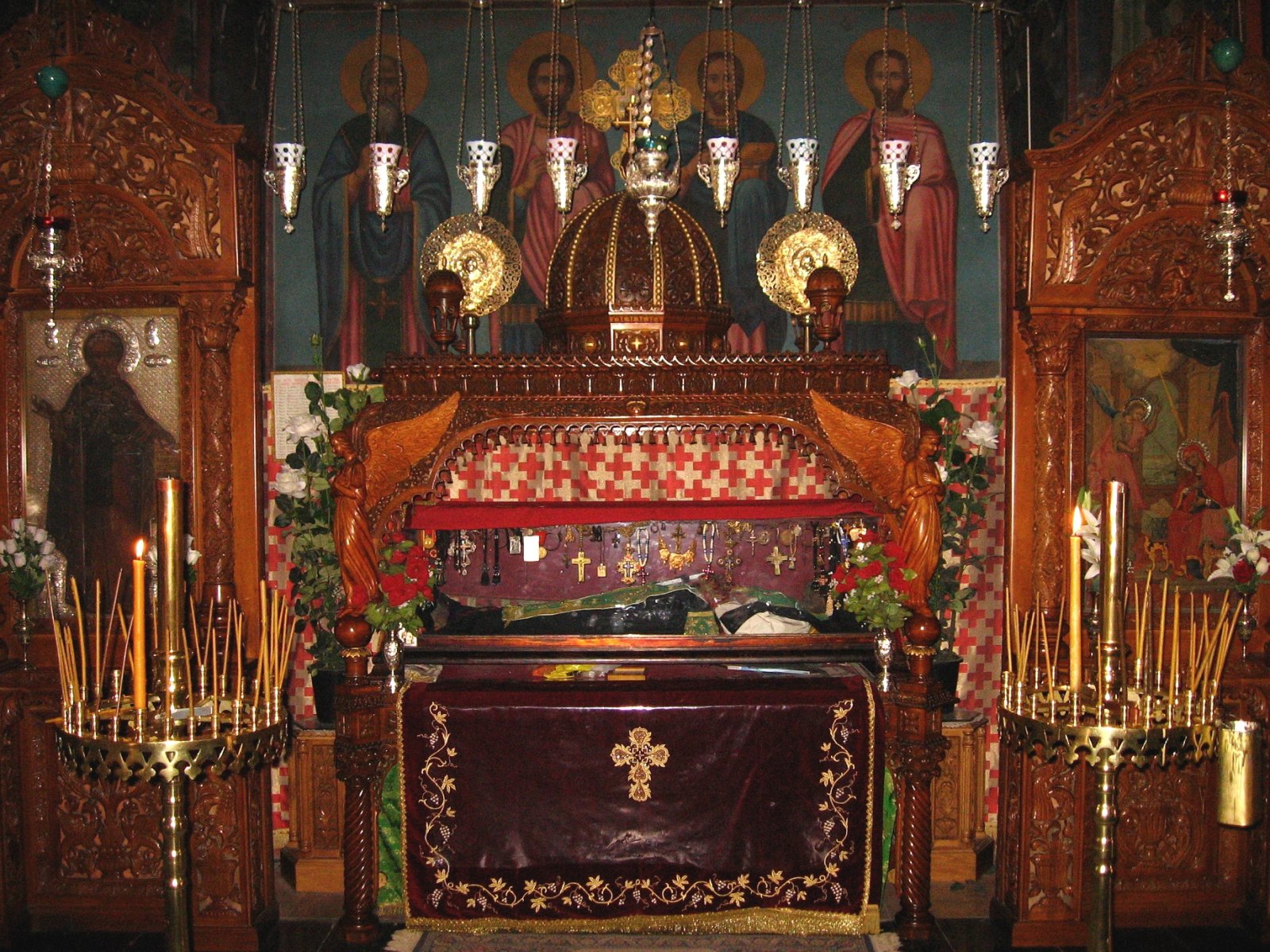
The Mar Saba Monastery is a Christian monastery located in the remote Kidron Valley between Jerusalem and the Dead Sea.It was founded in the year 483 A.D., and is considered one of the oldest active monasteries in the world.The monks of Mar Saba and those of subsidiary houses are known as Sabaites. The monastery is important in the historical development of the liturgy of the Orthodox Church in that the monastic Typicon (manner of celebrating worship services) of Saint Sabbas became the standard throughout the Eastern Orthodox Church and those "Uniate" or Eastern Catholic Churches under the Roman pope which follow the Byzantine Rite. The Typicon took the standard form of services which were celebrated in the Patriarchate of Jerusalem and added some specifically monastic usages which were local traditions at Saint Sabbas. From there it spread to Constantinople, and thence throughout the Byzantine world. Although this Typicon has undergone further evolution, particularly at the Monastery of the Stoudion in Constantinople, it is still referred to as the Typicon of Saint Sabas. A tradition states that this monastery will host the last Divine Liturgy on earth before the parousia of Jesus Christ, therefore the last pillar of true Christianity. Mar Saba is where Morton Smith purportedly found a copy of a letter ascribed to Clement of Alexandria containing excerpts of a so-called Secret Gospel of Mark,and was for several centuries home to the Archimedes Palimpsest.
The Mar Saba Monastery | Secret World Trip Planner

Buy Unique Travel Experiences

Powered by Viator

See more on Viator.com

Explore nearby

Frequently Asked Questions

Mar Saba Monastery was founded in 483 A.D., making it one of the oldest active monasteries in the world. It holds tremendous significance in Orthodox Church history because the monastic Typicon (worship service format) of Saint Sabbas became the standard throughout the Eastern Orthodox Church and Eastern Catholic Churches following the Byzantine Rite, eventually spreading from Jerusalem to Constantinople and across the Byzantine world.
The monastery is located in the remote Kidron Valley between Jerusalem and the Dead Sea in the Palestinian territories. The remote location makes it challenging to reach, requiring careful planning and typically accessed via guided tours or private transportation from Jerusalem, as public access can be restricted.
Mar Saba gained scholarly attention when scholar Morton Smith purportedly discovered a copy of a letter ascribed to Clement of Alexandria containing excerpts of a so-called Secret Gospel of Mark at the monastery. Additionally, the monastery was home for several centuries to the Archimedes Palimpsest, an ancient mathematical manuscript of significant historical value.
According to Christian tradition, Mar Saba Monastery holds a unique prophetic role as the believed location where the last Divine Liturgy on earth will be celebrated before the return of Jesus Christ, making it symbolically the final pillar of true Christianity. The monks at the monastery, known as Sabaites, maintain this sacred monastic tradition that dates back over 1,500 years.
The monastery's remote location in the Kidron Valley means visitor access is limited and may require special permissions or guided tours; it is advisable to check current accessibility and security conditions before planning a visit. Women visitors face particular restrictions at this traditional Orthodox monastery, so travelers should research specific visiting policies and cultural protocols in advance.
