
← Back

Turkish Tea

Istanbul, Provincia di Istanbul, Turchia ★★★★☆ 484 views
Rebecca Cortese
Istanbul
🏆 AI Trip Planner 2026

Get the free app

Discover the best of Istanbul with Secret World — the AI trip planner with 1M+ destinations. Get personalized itineraries, hidden gems and local tips. Free on iOS & Android.

🧠 AI Itineraries 🎒 Trip Toolkit 🎮 KnowWhere Game 🎧 Audio Guides 📹 Videos
Scan to download iOS / Android
Scan for AppGallery Huawei users

About Turkish Tea

Turkish Tea - Istanbul | Secret World Trip Planner

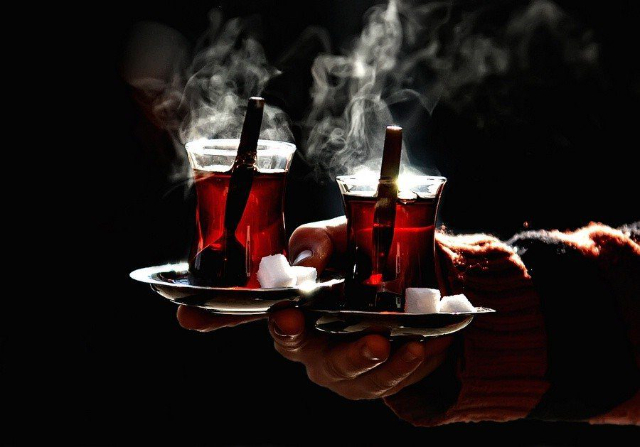
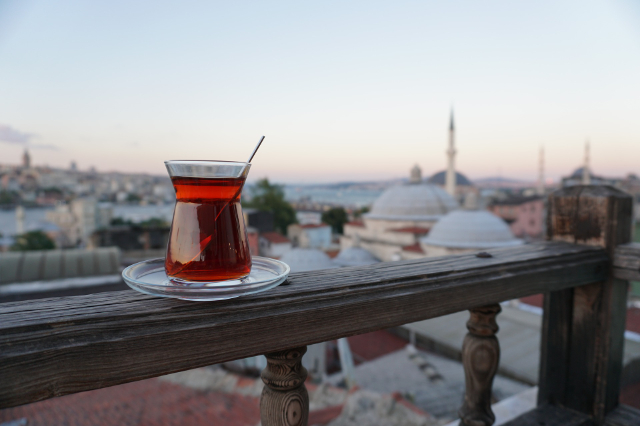
Çay, or Turkish tea, is a drink that plays a significant role in Turkish culture and is often considered a symbol of hospitality and conviviality.The history of tea in Turkey begins in the 18th century, when the Ottoman Empire initiated trade relations with China, which was known for growing and producing tea. Tea initially arrived in Turkey via the Silk Road and soon became a popular beverage, especially among the Empire's elite.During the 19th century, the Ottoman Empire began growing tea in its northern regions, such as Rize on the Black Sea, where the climate and soil were favorable for its cultivation. This led to the domestic production of Turkish tea and solidified its importance in Turkish culture.The way tea is prepared and served in Turkey is unique and distinctive. Black tea leaves are boiled in a special samovar called "çaydanlık," which consists of two overlapping parts. In the lower part the water is boiled, while in the upper part the tea leaves are steeped. The infusion is then diluted with boiling water from the lower part of the samovar, resulting in a drink that is balanced in terms of strength and flavor.Turkish çay is served in small tulip-shaped glasses, often placed on a copper or silver tray. It is usually offered in abundance and its sharing is an act of generosity and welcome. It is common to see groups of people gathering to share a cup of tea, discuss and socialize.An interesting tradition related to çay is the "chai-khana" or tea house. These are places where people gather to drink tea, discuss, play board games, or just relax. Chai-khana are important gathering places in Turkish culture where people of all ages and backgrounds can share moments of conviviality.Çay is so deeply rooted in Turkish culture that it has become an essential part of daily life. It is consumed at all times of the day, often accompanied by sweet delicacies such as baklava or simits.If you have the opportunity to visit Turkey, don't miss the chance to enjoy Turkish çay in an authentic setting, such as a chai-khana or traditional tea house. Savor its richness and get involved in the hospitality and tradition surrounding this drink.I hope this introduction to the history and culture of Turkish çay has been interesting for you. Enjoy a cup of Turkish tea

Turkish Tea - Istanbul | Secret World Trip Planner
🗺 AI Trip Planner

Plan your visit to Istanbul

Suggested itinerary near Turkish Tea

MAJ+
500.000+ travelers worldwide
  1. 🌅
    Morning
    Turkish Tea
    📍 Istanbul
  2. ☀️
    Afternoon
    Istanbul, the old Constantinopoli
    📍 0 km · Istanbul
  3. 🌆
    Evening
    The German Fountain
    📍 0.2 km · Istanbul

Buy Unique Travel Experiences

Powered by Viator

See more on Viator.com

Explore nearby · Istanbul

Frequently Asked Questions

Rize, located on the Black Sea in northern Turkey, is the primary tea-growing region where the Ottoman Empire began domestic tea cultivation during the 19th century due to its favorable climate and soil. This area remains the heart of Turkish tea production and is worth visiting to see the tea plantations firsthand and understand the importance of çay to Turkish culture.
Turkish tea is prepared using a special two-part samovar called a 'çaydanlık,' where water boils in the lower chamber while tea leaves steep in the upper chamber. The tea is then diluted with boiling water to achieve the perfect balance of strength and flavor, creating the distinctive Turkish çay experience.
Chai-khana are traditional Turkish tea houses where locals gather to drink tea, socialize, play board games, and relax—they're essential cultural gathering spaces that welcome people of all ages and backgrounds. Visiting a chai-khana is the best way to experience authentic Turkish hospitality and understand how deeply çay is woven into daily Turkish life.
Tea arrived in Turkey in the 18th century through trade relations with China via the Silk Road, initially becoming popular among the Ottoman Empire's elite. By the 19th century, when Turkey began growing tea domestically in regions like Rize, çay became deeply embedded in Turkish culture as a symbol of hospitality and conviviality that persists today.
Turkish çay is served in small, distinctive tulip-shaped glasses, typically accompanied by sweet treats like baklava or simits, and is meant to be shared abundantly as an act of generosity and welcome. The tea-drinking experience is as much about socializing and gathering with others as it is about the beverage itself, making it a communal and integral part of Turkish daily life.
