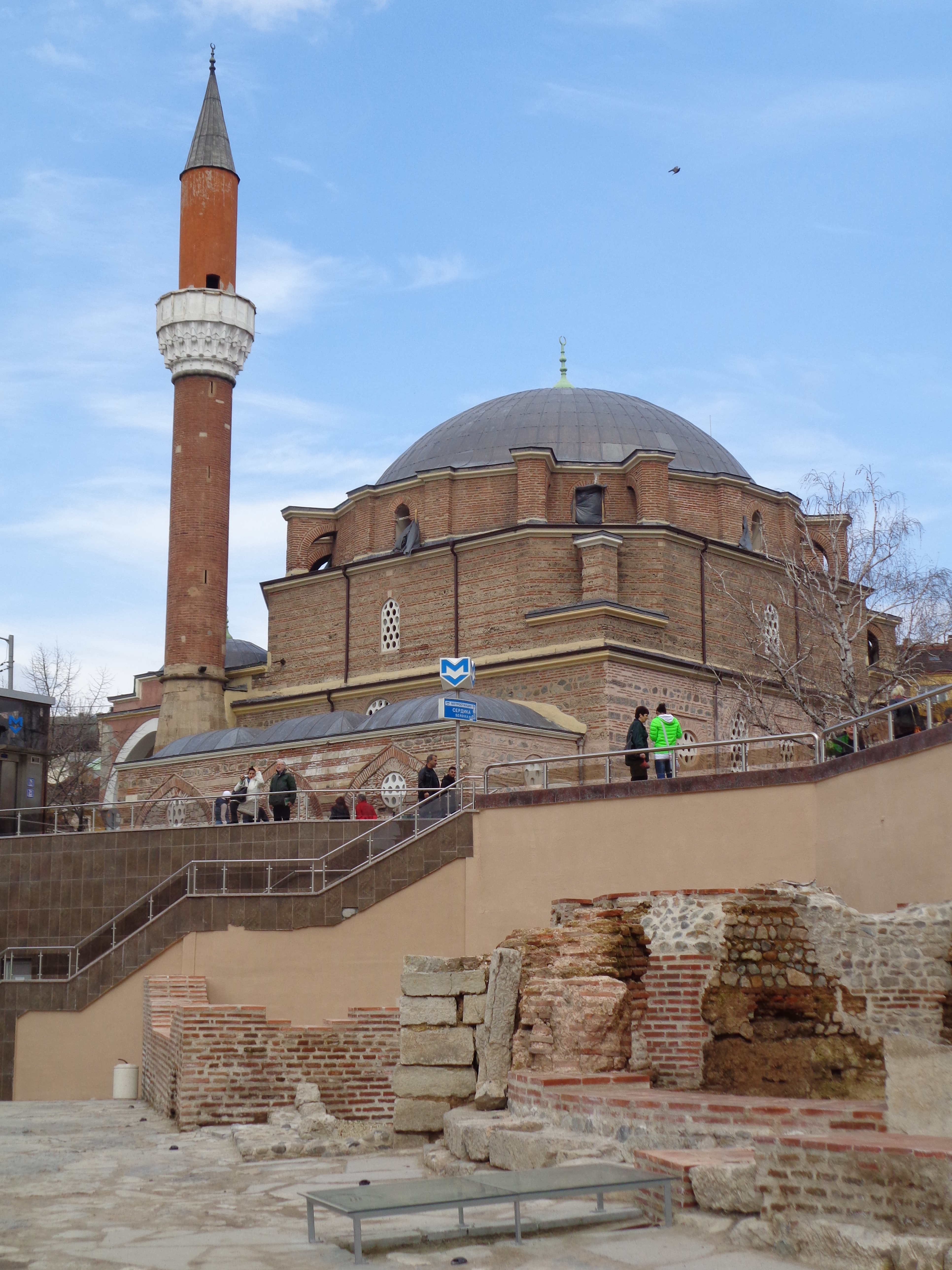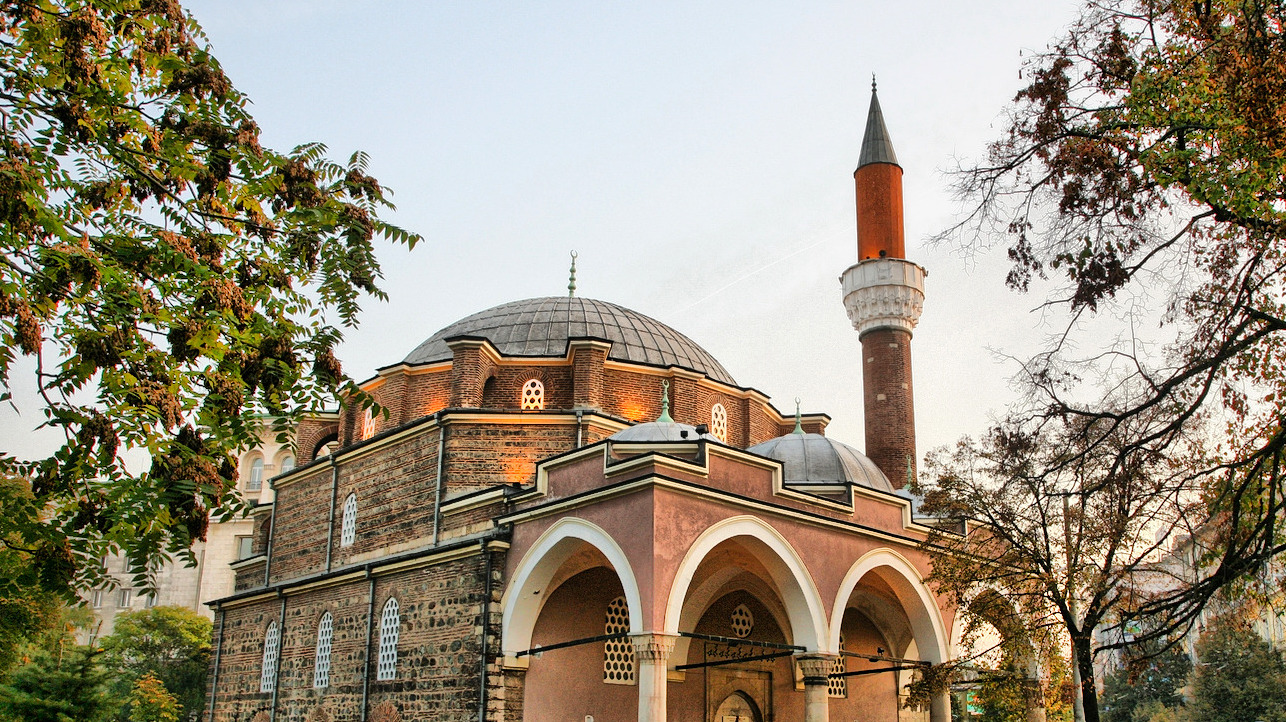

Nestled within the vibrant heart of Sofia, the Kodi Seyfullah Efendi Camii, more commonly known as the Banya Bashi Mosque, stands as a poignant reminder of Bulgaria's rich and complex history. This striking mosque, built in 1576, is the last remaining mosque in Sofia from the era of Ottoman rule, which saw the construction of over 70 mosques throughout the city. The Banya Bashi Mosque, attributed to the renowned Ottoman architect Mimar Sinan, echoes the architectural grandeur of other masterpieces like the Sultan Selim Mosque in Edirne and the iconic Blue Mosque in Istanbul.
### History and Origins
The establishment of the Banya Bashi Mosque coincided with the peak of Ottoman power in the region. The name "Banya Bashi" translates to "many baths," indicating the area's historical significance as a center for public bathing, a staple of Ottoman culture. The mosque’s construction was likely influenced by the nearby thermal springs, which were utilized for their healing properties long before the mosque was built.
Throughout its history, the mosque has served not only as a place of worship but also as a cultural hub for Sofia's Muslim community. The fall of Communism in the late 20th century marked a rejuvenation of religious practices in Bulgaria, allowing the mosque to reclaim its role in the community. Today, it is not uncommon to see hundreds of worshippers attending Friday prayers, a vibrant testament to the enduring traditions that thrive against the backdrop of modernity.
### Art and Architecture
The architectural style of the Banya Bashi Mosque is quintessentially Ottoman, characterized by its grand domed ceiling and intricate decorative elements. The mosque features a large central dome supported by a series of smaller domes, creating a sense of open space that is both serene and awe-inspiring.
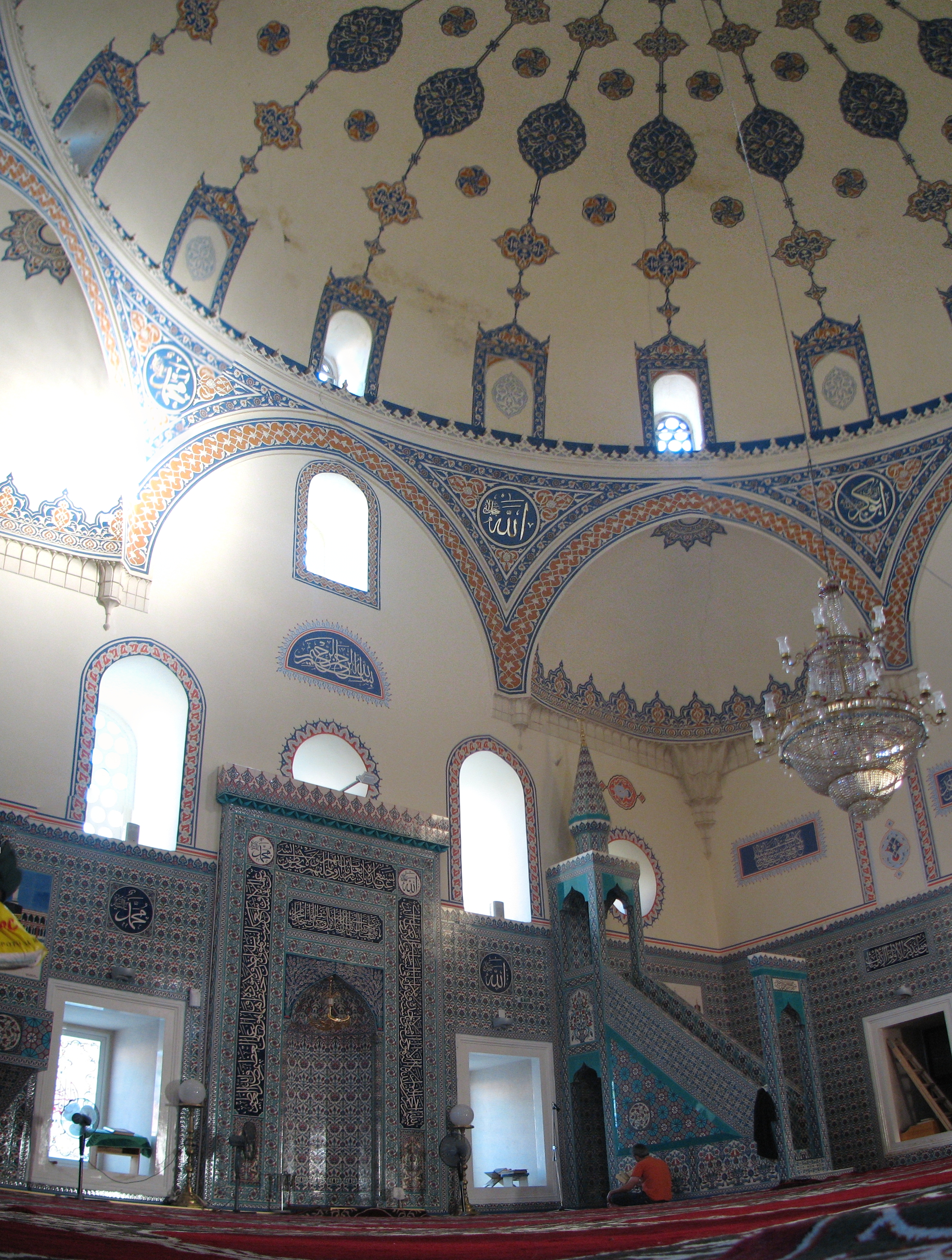
Inside, visitors are greeted by stunning blue tiles that adorn the walls and ceilings, each intricately designed with swirling patterns and calligraphic inscriptions from the Qur'an. The absence of human figures in Islamic art is beautifully compensated by the exquisite geometric patterns that embody the spiritual essence of the mosque. Following the restoration after the fall of Communism, the mosque’s interior returned to its original splendor, inviting both worshippers and curious visitors to experience its tranquil atmosphere.
### Local Culture and Traditions
The Banya Bashi Mosque is a focal point for Sofia’s Muslim community, which celebrates various cultural customs and traditions that reflect the city's diverse heritage. One such tradition is the celebration of Eid al-Fitr, marking the end of Ramadan, which transforms the mosque into a vibrant gathering place filled with joy, prayer, and communal feasting.
Visitors may also witness the practice of Zakat, the act of giving to the less fortunate, which is particularly emphasized during the holy month of Ramadan. This spirit of generosity is a cornerstone of local culture, reinforcing the mosque's role as a community center beyond just a place of worship.
### Gastronomy
No visit to the vicinity of Banya Bashi Mosque would be complete without indulging in the local culinary delights. Sofia boasts a rich tapestry of flavors, influenced by its Ottoman heritage. The nearby Central Market Hall is the perfect spot to sample traditional Turkish delights, baklava, and aromatic kebabs.
Don’t miss trying çorba, a hearty soup typically made from lentils or beans, often served with a wedge of lemon. Pair it with a glass of ayran, a refreshing yogurt drink, to complete your meal. These dishes not only satiate the palate but also tell the story of the region's cultural exchange through food.
### Lesser-Known Curiosities
While the Banya Bashi Mosque is an iconic site, there are many hidden gems that most tourists overlook. Just a stone's throw away lie the remnants of ancient Roman baths, which date back to the 2nd century AD. These baths, once bustling with life, reflect the continuous importance of water in the community, from Roman times through the Ottoman era and into the present day.
Another intriguing aspect is the mosque's relationship with the surrounding area. Despite being partially obscured by modern buildings, it stands resolutely as a symbol of cultural resilience. Local lore suggests that the mosque's construction was also a political statement, a way to assert the presence of the Muslim community in a city gradually undergoing significant transformation.
### Practical Visitor Information
The best time to visit the Banya Bashi Mosque is during the spring or early autumn, when the weather is mild and conducive to exploration. Although the mosque is not officially a tourist site, visitors are welcome outside of prayer times. It’s essential to dress modestly—long trousers and sleeves for men, and a headscarf for women—showing respect for the place of worship.
When visiting, take time to observe the intricate details of the mosque's architecture and the calming ambiance that envelops the space. Engaging with local worshippers can also provide deeper insights into the community and its rich traditions.
As you plan your journey through Sofia, consider using the Secret World app to create a personalized itinerary that includes this architectural gem.