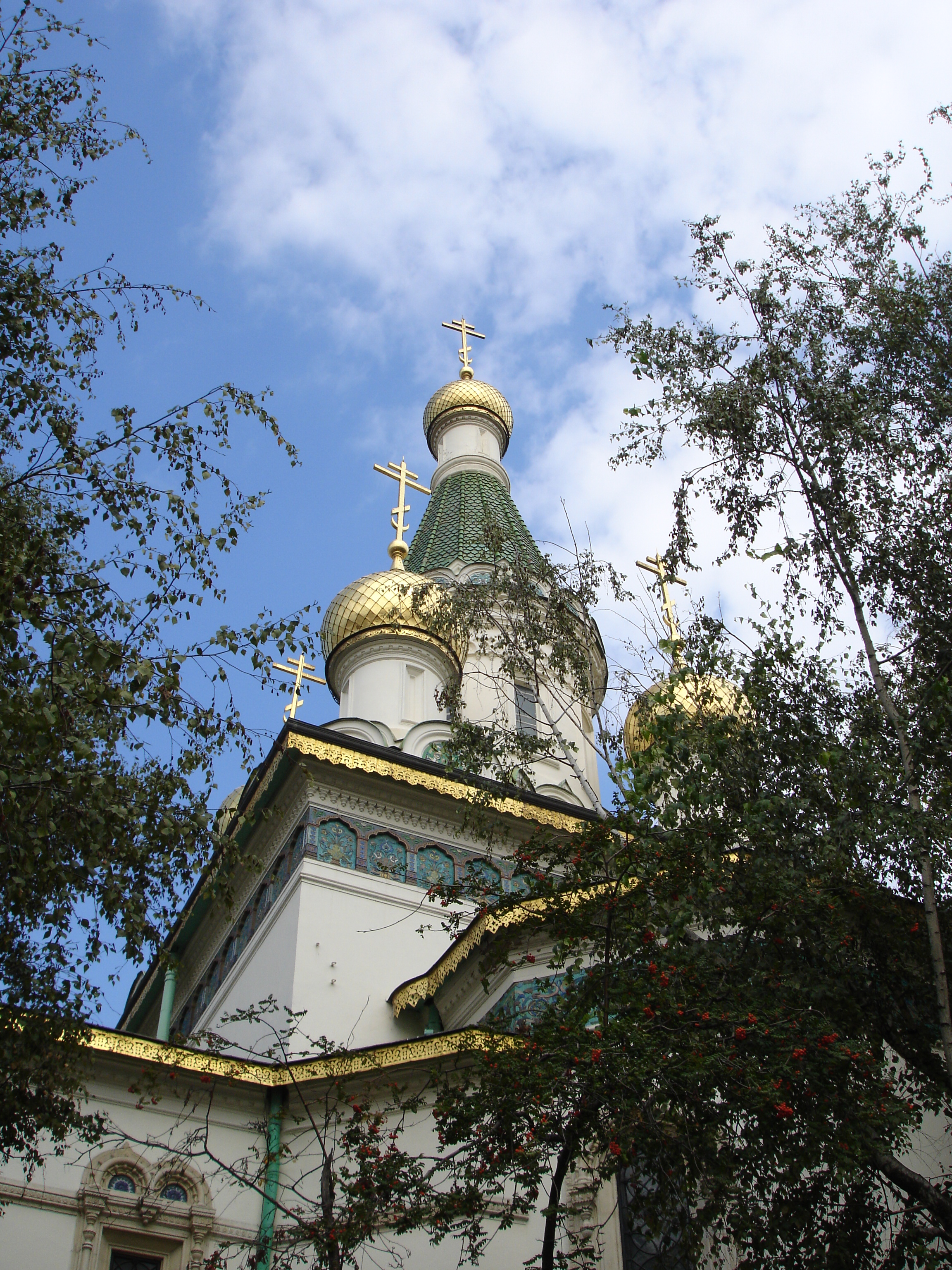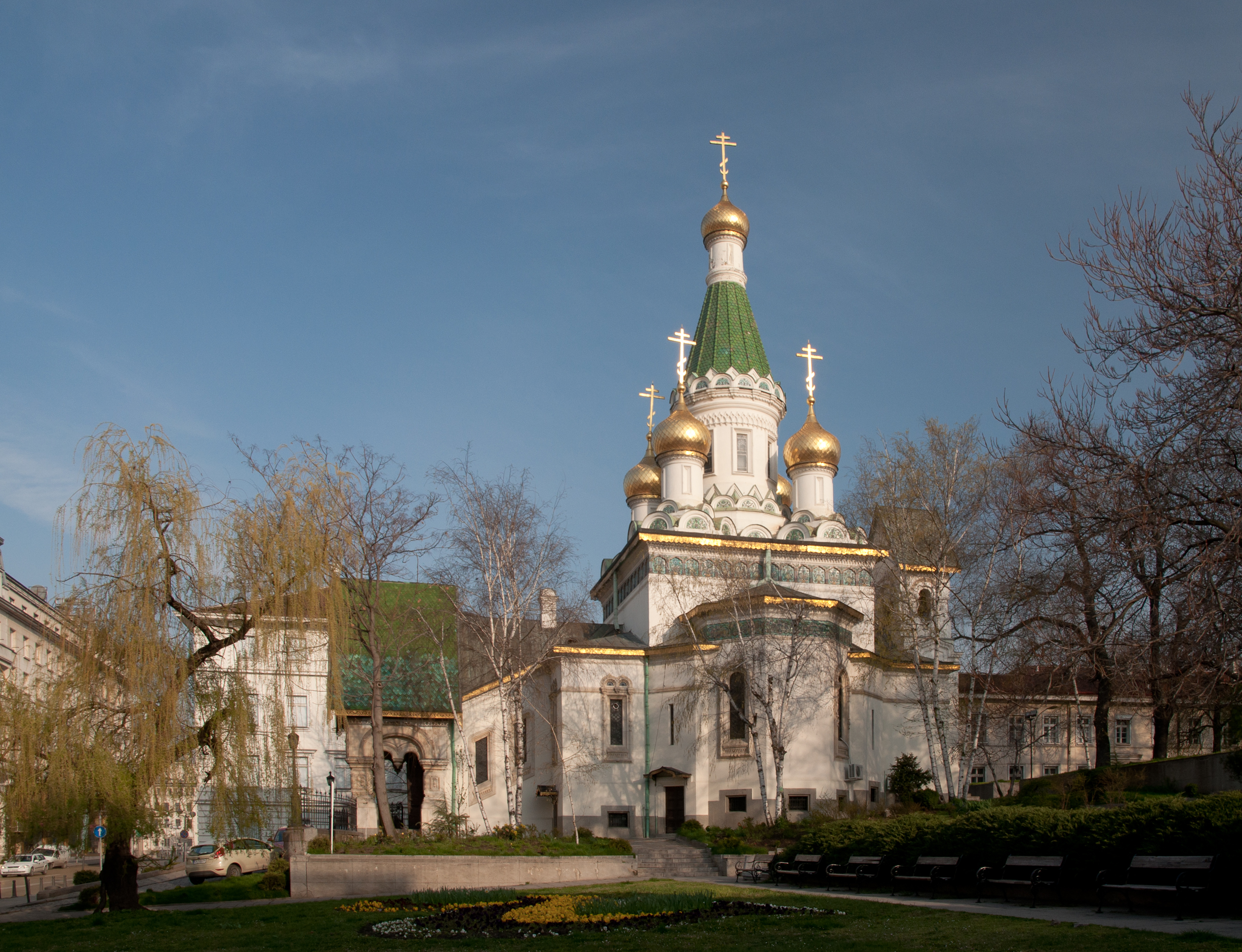

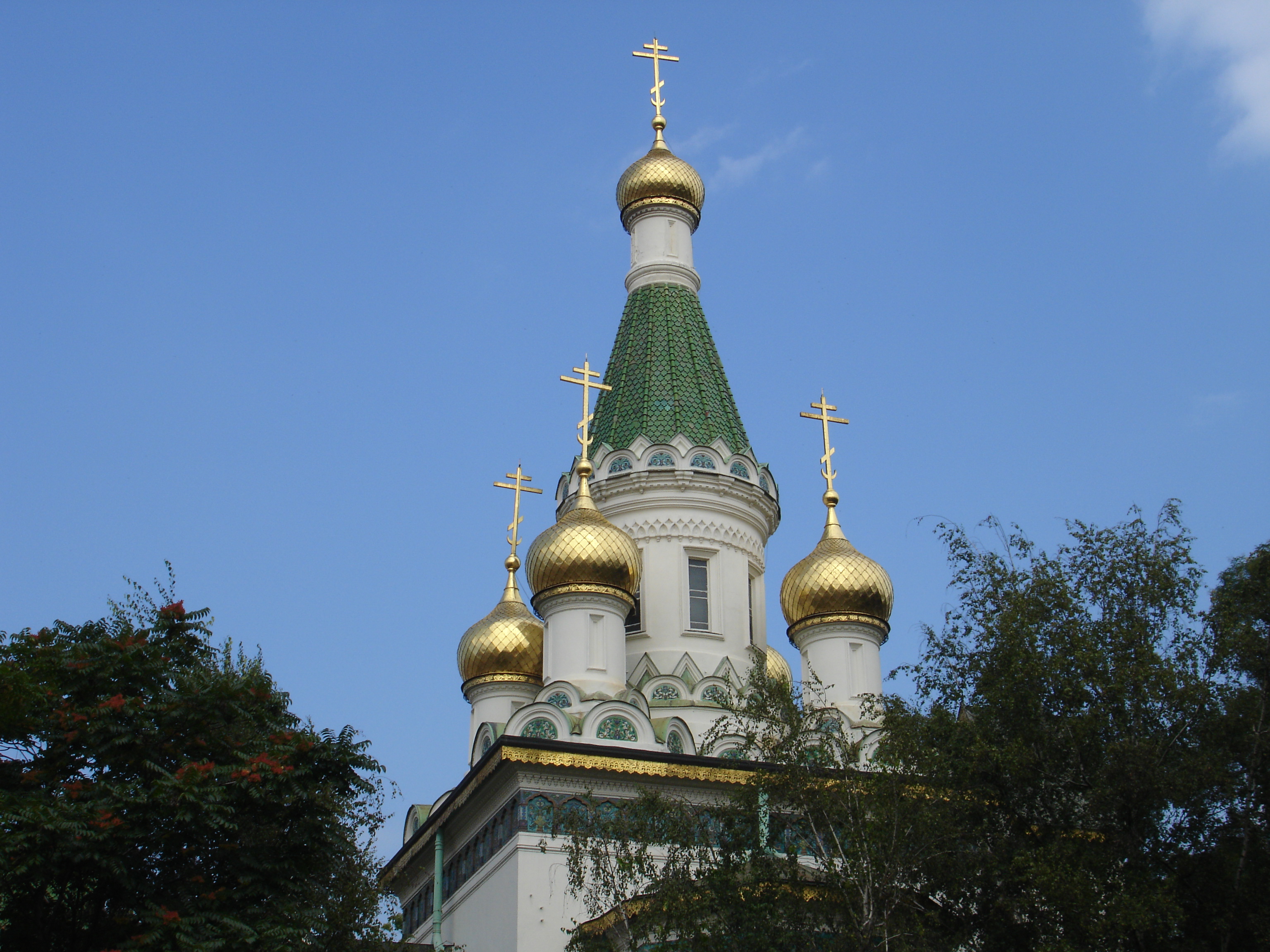
Nestled in the heart of Sofia, the Church of St Nicholas, also known affectionately as the Russian Church, stands as a testament to Bulgaria's rich Orthodox heritage. Its striking green and gold domes, visible from various points in the city, invite visitors to uncover a story that intertwines faith, art, and cultural identity.
### History and Origins Dating back to the late 19th century, the Church of St Nicholas was consecrated in 1914. Built in honor of the Russian soldiers who died in the Russo-Turkish War (1877-1878), it symbolizes the strong ties between Bulgaria and Russia. The church was constructed during a time of national revival, when Bulgaria was emerging from centuries of Ottoman rule. Its architectural style is a nod to the Russian Revival movement, reflecting both Byzantine and Slavic influences.
The church's establishment came during a period of religious resurgence in Bulgaria, where Orthodox Christianity began to flourish again. The Bishop Seraphim, whose grey coffin resides within the crypt, played a pivotal role in the church's history and is revered for his contributions to the Bulgarian Orthodox Church.
### Art and Architecture The Church of St Nicholas is a stunning example of Neo-Byzantine architecture. Its exterior is adorned with vibrant frescoes and intricate mosaics that capture the essence of Orthodox iconography. The striking green onion domes topped with gold leaf reflect the sunlight, creating a radiant spectacle that draws the eye.
Inside, visitors are greeted by a serene atmosphere. The walls of the crypt are covered in vivid religious imagery, with St Nicholas depicted prominently, embodying his role as a protector and miracle-maker. The three-room crypt, often less crowded than the main church, allows for a more intimate experience. Here, believers can write prayers and deposit them into a prayer box, while many kneel to kiss the coffin of Bishop Seraphim, leaving behind their marks of reverence and hope.
### Local Culture and Traditions The Church of St Nicholas is more than just a place of worship; it is a vital part of the local cultural fabric. Each year, locals celebrate St Nicholas Day on December 6, honoring the saint with various customs and traditions. This day is marked by feasting and family gatherings, where traditional dishes like sarma (cabbage rolls) and bаница (cheese pastry) are served.
During the holiday season, the church’s festive decorations and the warm glow of candles create a magical atmosphere. Local traditions often involve gathering at the church to light candles and offer prayers, emphasizing the communal spirit of faith and hope.
### Gastronomy Sofia’s culinary scene is vibrant, and local dishes often find their way into the celebrations surrounding the Church of St Nicholas. Bulgaria is known for its rich gastronomic heritage, with shopska salad, featuring fresh tomatoes, cucumbers, and feta cheese, being a staple. When visiting during local festivals, don’t miss sampling kebapche (grilled minced meat), a popular dish that embodies Bulgarian flavors.
For those looking to indulge, the local rakia (fruit brandy) is a must-try, often enjoyed during celebrations and family gatherings. Pairing this with a slice of banitsa creates a delightful culinary experience that embodies both tradition and flavor.
### Lesser-Known Curiosities While many flock to the Church of St Nicholas for its beauty, few are aware of its intriguing backstory. The church was financed by donations from the Russian community in Bulgaria, a gesture that underscores the historical connection between the two nations.
Another lesser-known fact is that the church served as a temporary refuge for Bulgarians during turbulent times, including the Balkan Wars and both World Wars. The site has witnessed prayers for peace, love, and guidance, making it a living testament to resilience through faith.
### Practical Visitor Information The Church of St Nicholas is open to visitors year-round, but the best time to visit is during the winter months, particularly around the holiday season when the church is beautifully decorated and bustling with locals. Visitors should dress modestly as a sign of respect.
When exploring the crypt, take a moment to absorb the atmosphere and participate in the local tradition of lighting a candle. Not only does this enhance your experience, but it also connects you with the spiritual essence of the place.
### Conclusion The Church of St Nicholas offers a unique blend of history, art, and spirituality, making it a must-visit during your time in Sofia. Its serene atmosphere, rich traditions, and cultural significance provide an unforgettable experience.
To truly make the most of your visit to Sofia, consider using the Secret World app to craft a personalized itinerary that will lead you to this hidden gem and beyond.