
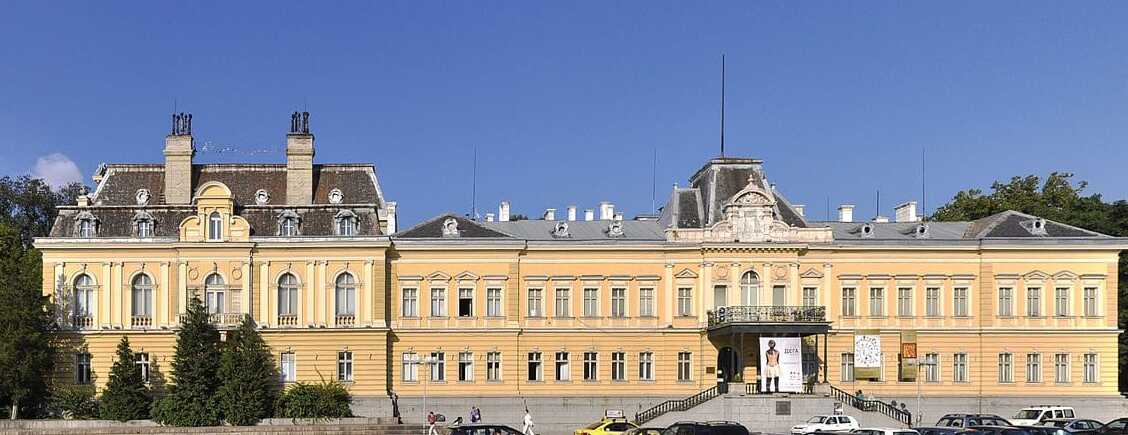

Nestled in the heart of Sofia, Bulgaria, the National Art Gallery resides within the historic confines of the former Tsar's Palace, a building steeped in layers of history and culture. This remarkable gallery is not only the largest collection of Bulgarian art but also a testament to the nation's tumultuous past and its vibrant artistic evolution.
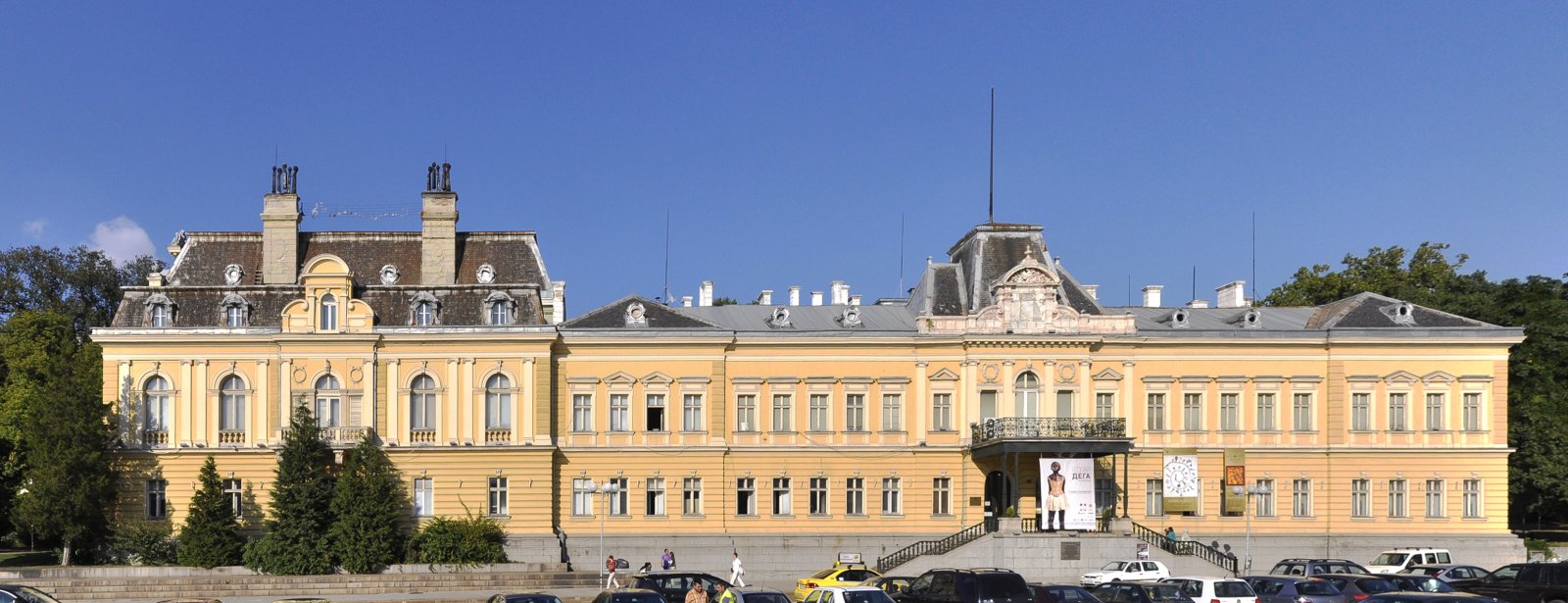
The Tsar's Palace, built in the late 19th century, originally served as the residence for the Bulgarian monarchs after the country regained independence from Ottoman rule in 1878. However, its history stretches back to 1382 when Sofia fell under Turkish domination. Initially, the palace was transformed into a konak, serving as the headquarters for Ottoman administrators. It was during this era that the building's walls bore witness to the struggles of Bulgarian rebels, as it was used for interrogation and as a symbol of oppression. Today, this historical legacy contrasts sharply with its current role as a guardian of Bulgaria's artistic heritage.
Architecturally, the Tsar's Palace boasts a blend of Neo-Renaissance and Baroque styles, characterized by its elegant façade, grand staircases, and expansive halls. The original interiors, with their creaky wooden floors, high ceilings adorned with intricate moldings, and original marble fireplaces, create a captivating atmosphere that invites visitors to linger and explore. Each room tells a story, echoing the whispers of history while embracing the light of contemporary art.
Inside the gallery, visitors will find a staggering collection of approximately 60,000 works of art that chart the development of Bulgarian creativity from the Revivalist period to the mid-20th century. The collection showcases a range of styles, including the sentimental portraiture of Zograf, the detailed landscapes of Dospevski, and the expressive compositions of Pavlovic. Particularly noteworthy are the vibrant works from the early 20th century, such as those by Nikola Tanev, whose pieces are infused with the bold colors reminiscent of Paul Gauguin, and Stoyan Sotinov, whose work captures the essence of Bulgarian life with an almost dreamlike quality. The gallery also features stunning depictions of old Plovdiv by Tzanko Lavrenov, offering a nostalgic glimpse into the past.
Beyond the visual splendor, the National Art Gallery is a hub of local culture and traditions. Visitors can immerse themselves in the rich tapestry of Bulgarian customs through various events held throughout the year. For instance, the gallery often hosts exhibitions that coincide with local festivals, such as Baba Marta, celebrated in March, which symbolizes the arrival of spring. During this time, art and folklore intertwine as local artists showcase their works inspired by traditional motifs and legends, fostering a deeper connection between the past and the present.
Culinary experiences in Sofia also reflect the city's artistic spirit. Visitors to the National Art Gallery can savor traditional Bulgarian dishes at nearby eateries. Banitsa, a flaky pastry filled with cheese and eggs, is a must-try, often enjoyed with a side of yogurt or ayran—a refreshing yogurt drink. For a sweet treat, baklava, with its layers of nuts and honey, offers a taste of the Ottoman influence on Bulgarian cuisine. Pair these dishes with a glass of rakia, a fruit brandy that is a staple in Bulgarian homes, and you'll find the flavors echo the rich history surrounding the gallery.
Among the many treasures within the National Art Gallery, there are lesser-known curiosities that make the visit even more intriguing. For instance, the building's original function as a royal residence meant that its halls were once adorned with luxurious fabrics and sumptuous decorations, remnants of which can still be seen today. Additionally, a hidden detail that often goes unnoticed is the intricate woodwork of the ceilings, where motifs inspired by Bulgarian folklore can be found, adding a layer of depth to the gallery's artistic narrative.
For those planning a visit, the best time to explore the National Art Gallery is during the spring and autumn months when the weather is mild, making it ideal for strolling through Sofia's streets before or after your gallery visit. Be sure to check the gallery's calendar for temporary exhibitions, as they frequently feature international artists, providing fresh perspectives and dialogues within the space.
When you step into the National Art Gallery, you are not merely observing art; you are engaging with a narrative that spans centuries—a narrative of resilience, creativity, and cultural richness. As you wander through the gallery's halls, take a moment to appreciate the stories captured in each brushstroke and photograph.
So whether you're an art enthusiast or a curious traveler, let the Secret World app help you create a personalized itinerary for your visit to Sofia.


