
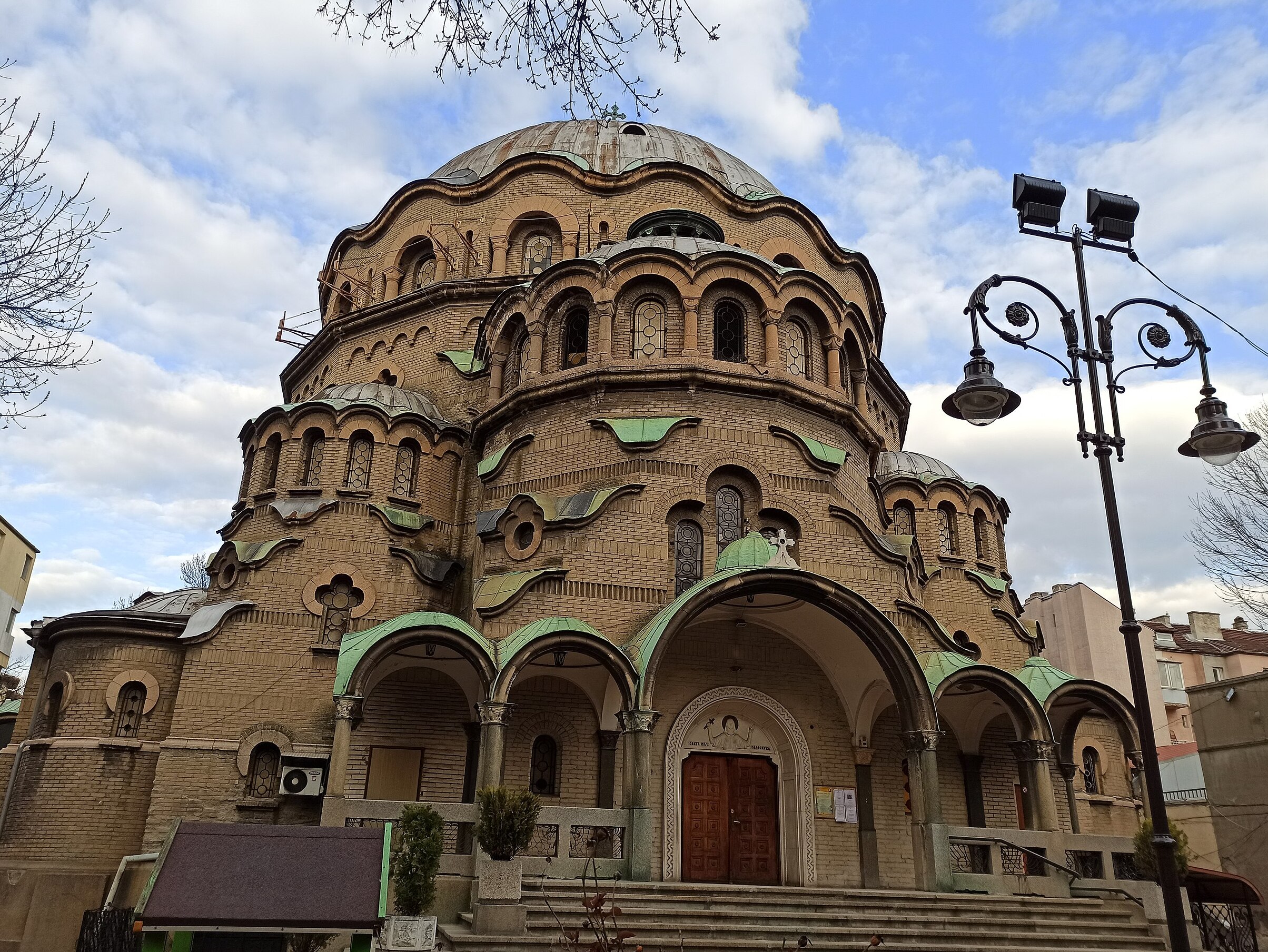

Nestled in a quiet corner of Sofia, the Church of St Paraskeva stands as a hidden gem waiting to be discovered. Despite its status as the third largest church in Bulgaria's capital, this serene structure often goes unnoticed by both tourists and locals alike. The church, constructed in 1930, is enveloped by residential buildings, making it difficult to spot from a distance. This seclusion adds to its charm, inviting those who seek it out to experience a piece of Bulgaria's rich spiritual and artistic heritage.
The origins of the Church of St Paraskeva are rooted in a broader narrative of resilience and cultural preservation. Built during a period when Bulgaria was re-establishing its national identity post-Ottoman rule, the church represents the dedication of the local population to their Christian faith. It has also become a repository for artworks from various churches that have since been destroyed, showcasing a commitment to preserving history.
One of the most poignant exhibitions housed within its walls is the collection of murals from the St. George “the Elder” Church. This church, erected in 1704 in the southeastern part of Old Nessebar, was lost in 1958, but its artistic legacy has been lovingly preserved at St Paraskeva. Most of the murals were transferred to the National Archaeological Institute in Sofia, with only a few remaining in Nessebar. Visitors can marvel at these remarkable pieces, some dating back to the 18th century, alongside wall paintings from the Church of St. Clement. Each artwork tells a story of devotion, artistry, and the collective memory of a community that refuses to forget.
Architecturally, the Church of St Paraskeva is a stunning example of Bulgarian Orthodox style. Its exterior is characterized by a blend of traditional Byzantine influences and modern elements, providing a unique visual narrative. The church's interior, adorned with vibrant frescoes and intricate woodwork, invites contemplation and reverence. The soft light filtering through the stained-glass windows casts a kaleidoscope of colors onto the stone walls, enhancing the church’s ethereal atmosphere.
Culturally, the church plays a significant role in the life of Sofia. It is not just a place of worship but also a venue for various local customs and traditions. The Feast of St Paraskeva, celebrated on October 14, sees the church filled with worshippers who come to honor the saint known for healing and protection. During this time, the community gathers for prayers, sharing stories and food, reinforcing the bonds that tie them together.
Speaking of food, the area around the church offers a delightful glimpse into Bulgarian gastronomy. Visitors should not miss the opportunity to try banitsa, a traditional pastry made with layers of filo dough and filled with cheese, spinach, or pumpkin. Pair it with a glass of ayran, a refreshing yogurt-based drink, or sample a local rakia to truly immerse yourself in the flavors of Sofia. For dessert, indulge in baklava, a sweet treat that reflects the region's Ottoman heritage, providing a delicious end to any meal.
One lesser-known curiosity about the Church of St Paraskeva is its role as a museum for art that would have otherwise been lost to time. This function underscores a broader cultural movement within Bulgaria to reclaim and honor its historical treasures. The church not only preserves art but also serves as a reminder of the resilience of local communities in maintaining their cultural identity amid changing times.
For those planning a visit, the best time to explore the Church of St Paraskeva is during the spring and early autumn months when the weather is pleasant, making it ideal for leisurely strolls around the city. Arriving early in the day can offer a quieter experience, allowing you to fully absorb the church's tranquil atmosphere. Don’t forget to look for the intricate details in the artwork and architecture that speak volumes of the craftsmanship of the time.
In conclusion, the Church of St Paraskeva is more than just a religious site; it is a testament to Sofia’s rich history, artistic legacy, and cultural resilience. By seeking out this hidden gem, you not only enrich your understanding of Bulgarian heritage but also contribute to the preservation of its stories and traditions. To make the most of your visit to Sofia, consider using the Secret World app for a personalized AI itinerary tailored to your interests.


