
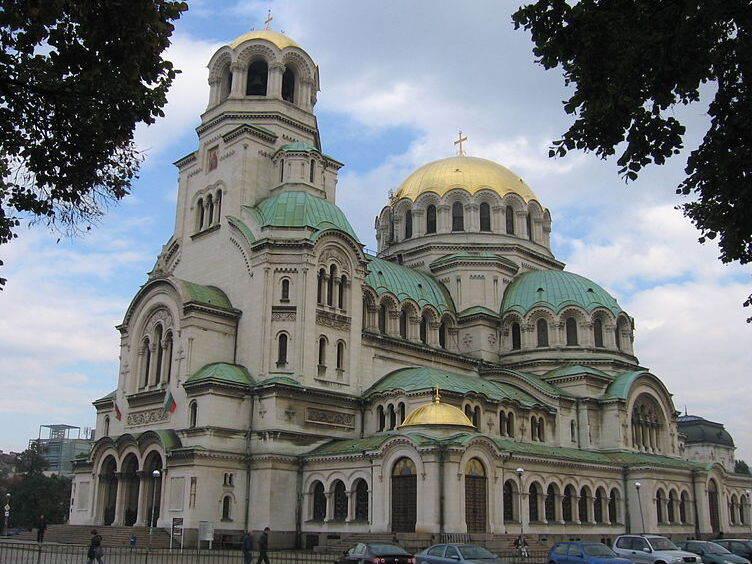

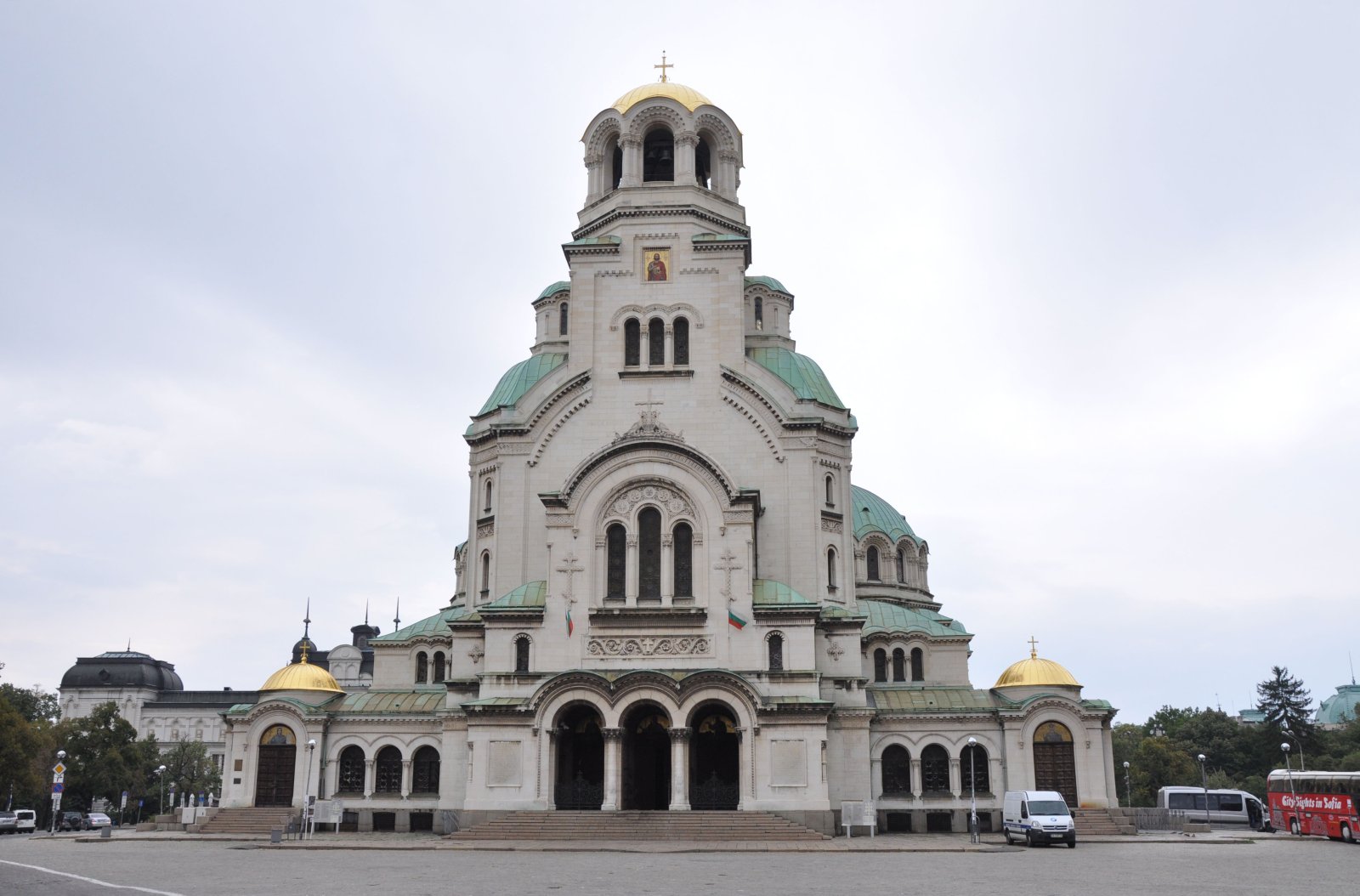
St Alexandar Nevski Memorial Church stands as a striking symbol of Sofia, Bulgaria, captivating visitors with its grandiose architecture and profound historical significance. This neo-Byzantine cathedral, completed between 1882 and 1912, is not only Sofia's most photographed monument but also one of the largest Eastern Orthodox churches globally, drawing the gaze of every passerby with its gleaming copper and golden domes.
The church is named after Alexander Nevski, a revered figure in Russian history credited with the defeat of Swedish troops at the Battle of Neva in 1240. His legacy was particularly significant during the time of Alexander II, the Russian Tsar who played a pivotal role in liberating Bulgaria from Ottoman rule during the Russo-Turkish War (1877-1878). With its construction commissioned to honor the Russian soldiers who fought for Bulgaria's independence, the church embodies a deep sense of national pride and remembrance, marking a momentous chapter in the nation's story.
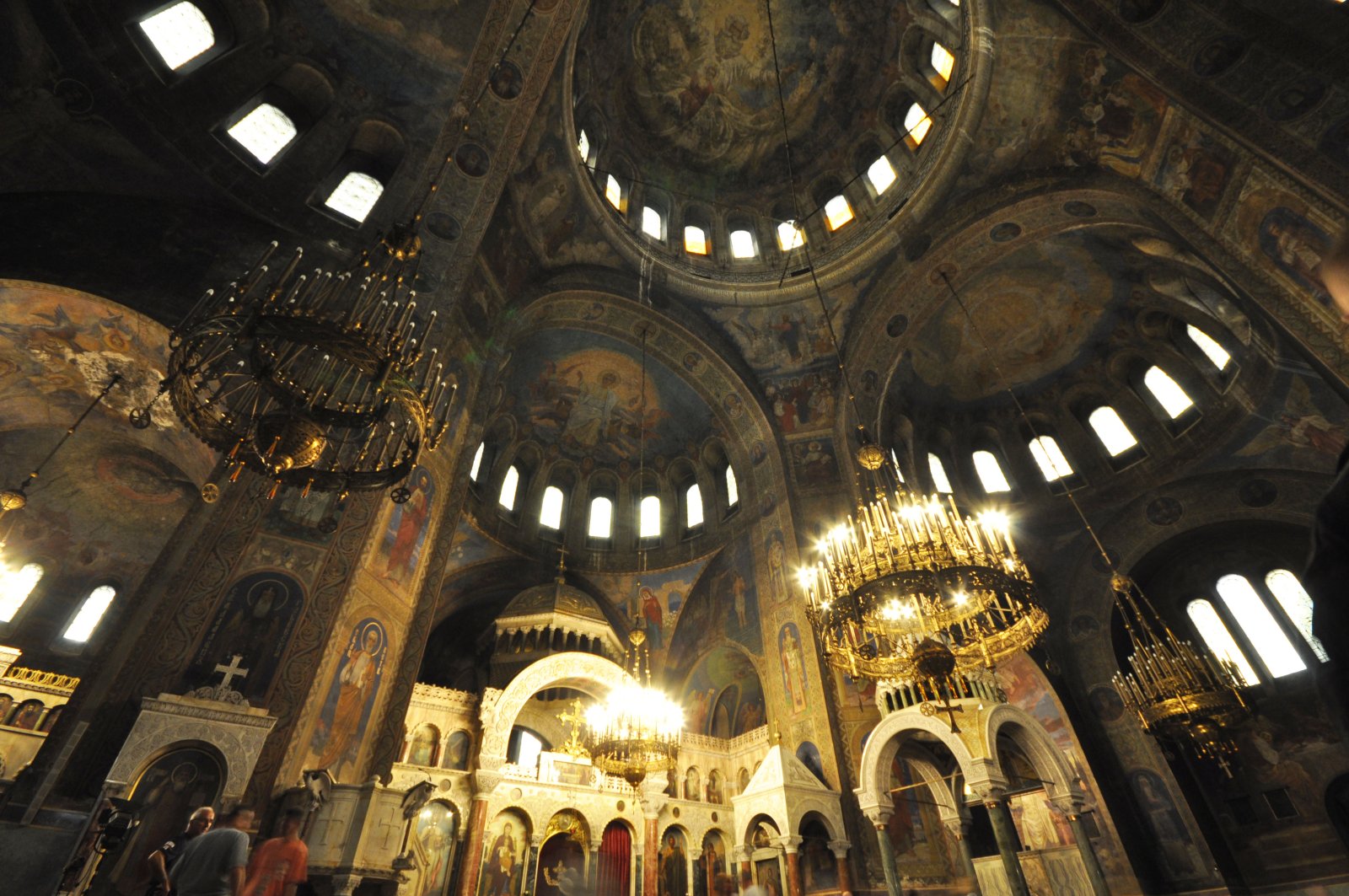
As you approach the church, its architectural splendor becomes increasingly evident. The design features a harmonious blend of Byzantine and Bulgarian styles, characterized by its grand proportions and ornate details. The façade is adorned with intricate mosaics, while the interiors boast vast domes embellished with delicate murals that depict biblical scenes and saints. Notably, the central altar is dedicated to St Alexandar Nevski, while the southern altar honors St Boris, the ruler credited with introducing Christianity to Bulgaria in the 9th century. The northern altar celebrates Saints Cyril and Methodius, the brothers who created the Cyrillic alphabet, a cornerstone of Bulgarian literacy and culture.
The church’s icon museum, located within its crypt, is a treasure trove of artistic heritage, showcasing over 300 icons and mural frescoes that chronicle the evolution of Bulgarian icon-painting from the late 9th century to the 19th century. Visitors can marvel at the intricate details and vivid colors that characterize these works, offering insights into the spiritual life of the Bulgarian people through the ages.
Local culture and traditions flourish around the St Alexandar Nevski Memorial Church, which serves as a focal point for various religious and cultural events. One such celebration is the Feast of St Alexandar Nevski, held annually on July 30, where devotees gather for divine services and cultural programs. The church also plays a role in important national celebrations, such as Liberation Day on March 3, when Bulgarians commemorate their freedom from Ottoman rule.
Visitors to Sofia cannot miss the opportunity to indulge in the local gastronomy that thrives in this vibrant city. Traditional Bulgarian dishes such as banitsa (a flaky pastry filled with cheese and eggs), shopska salad (a refreshing mix of tomatoes, cucumbers, peppers, and cheese), and kavarma (a slow-cooked meat stew) are readily available in nearby eateries. Pair your meal with a glass of rakia, a popular Bulgarian fruit brandy, to complete your culinary experience. The area around the church features charming cafes and restaurants, perfect for savoring these delights while soaking in the atmosphere.
For those seeking lesser-known curiosities, the church has its share of intriguing stories. One such detail is the influence of the church’s location; it is situated on a hill, providing a natural elevation that enhances its majestic appearance against the Sofia skyline. Additionally, the building's construction utilized materials sourced from various parts of Bulgaria, symbolizing a unification of the nation’s resources in this monumental project. Many visitors overlook the detailed bronze doors, which depict scenes from Bulgarian history, offering a narrative that invites exploration and reflection.
The best time to visit St Alexandar Nevski is during the spring (April to June) and autumn (September to October) when the weather is mild, and the surrounding gardens are in full bloom. Early mornings or late afternoons provide a peaceful atmosphere, allowing for quiet contemplation and photography devoid of crowds. As you explore, don’t forget to take note of the stunning mosaics above the entrance and the intricate chandeliers inside, which enhance the church’s ethereal ambiance.
In planning your visit, consider dressing modestly, as this is a place of worship. Photography is permitted inside, but be respectful of worshippers and ceremonies taking place.
Engaging with St Alexandar Nevski Memorial Church is not merely about admiring its beauty; it’s about understanding the rich tapestry of history, art, and culture that it represents. To truly immerse yourself in Sofia's offerings, consider using the Secret World app to create a personalized itinerary that highlights the city’s hidden gems.


