
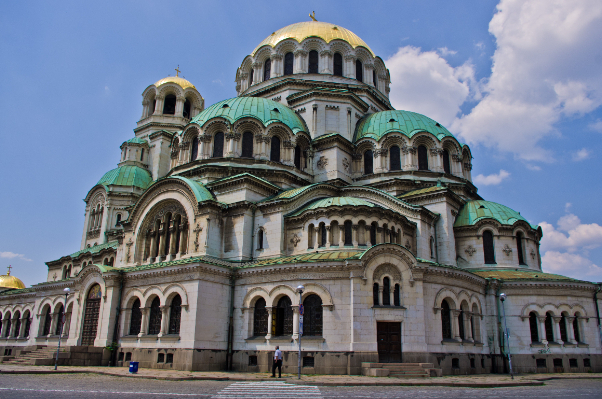

In the heart of Sofia, amidst the bustling energy of Bulgaria's capital, stands the majestic St. Alexander Nevsky Cathedral, a beacon of spiritual and architectural beauty that commands attention with its gilded domes and intricate details. As one of the largest Eastern Orthodox cathedrals in the world, it offers visitors a profound glimpse into both the sacred and the historical fabric of Bulgaria.
The cathedral's origins are deeply intertwined with national pride and remembrance. Built as a symbol of gratitude to Russia for its assistance in liberating Bulgaria from Ottoman rule during the Russo-Turkish War (1877–1878), the cathedral commemorates the 200,000 Russian soldiers who perished. Named after St. Alexander Nevsky, a revered Russian prince and military leader canonized for his piety and leadership, the cathedral was conceived in 1882, with construction beginning in 1904 and concluding in 1912. This grandiose project was realized under the guidance of Russian architect Alexander Pomerantsev, who imbued the structure with a blend of Neo-Byzantine architectural finesse.
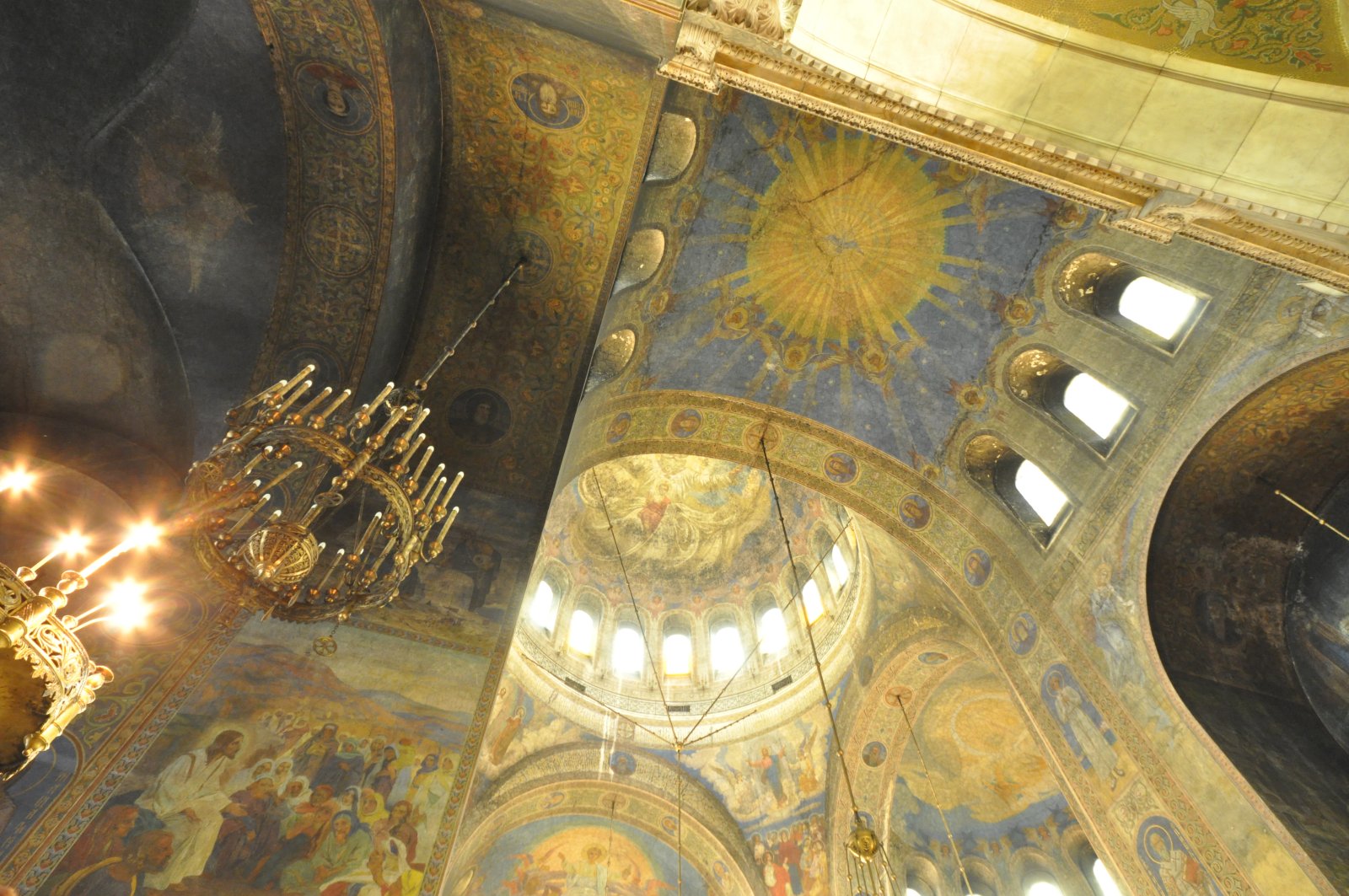
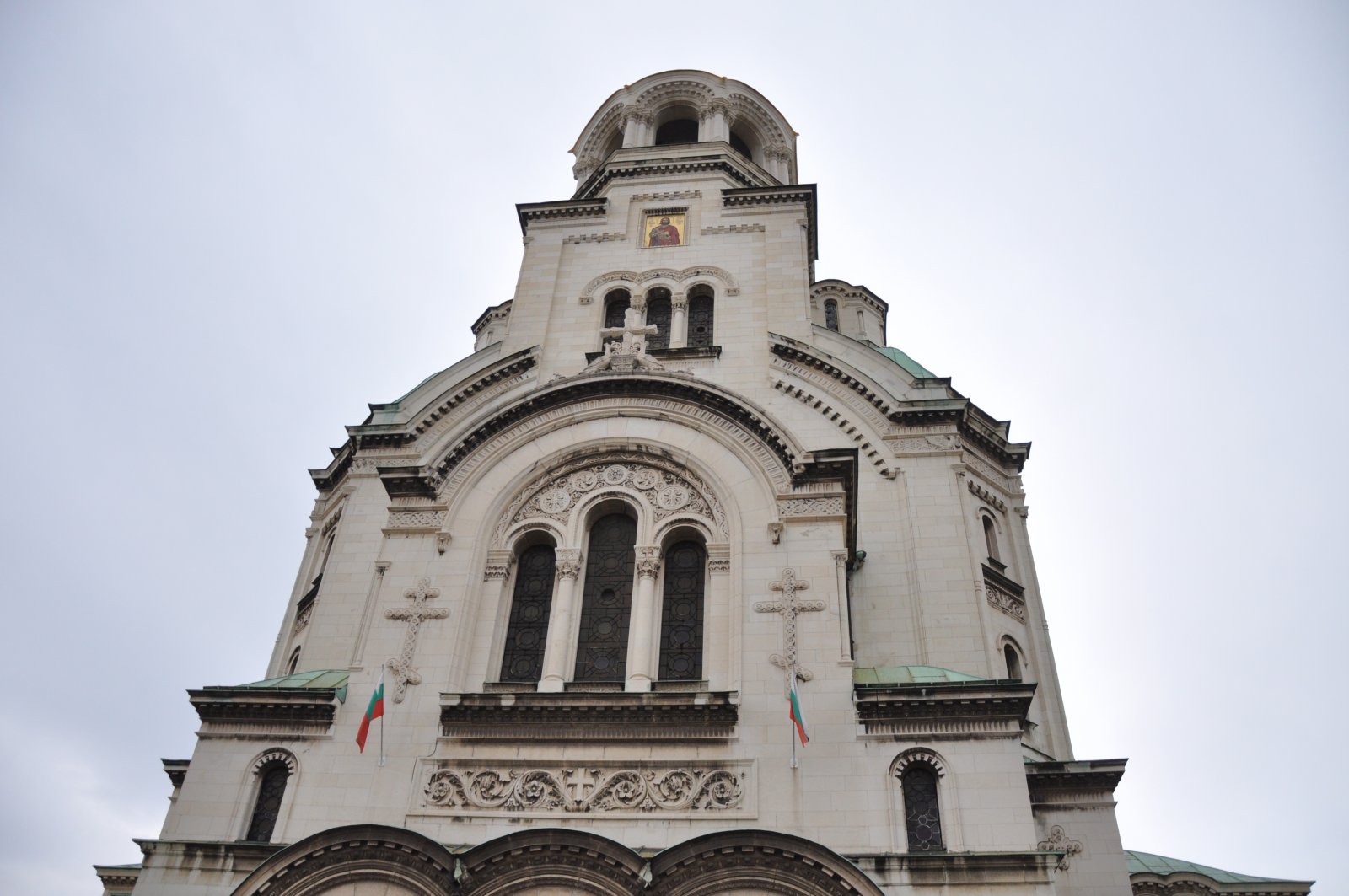
Architecturally, the cathedral is a marvel. It spans a colossal footprint, accommodating up to 5,000 worshippers. Its exterior is adorned with beautiful arches and domes, the most striking of which is the main gold-plated dome, glittering at 45 meters high. Inside, the cathedral's splendor unfolds with stunning frescoes, mosaics, and marble imported from across Europe. The elaborate iconostasis, crafted with intricate woodwork and gold, stands as a testament to the skill of its creators. Noteworthy are the frescoes painted by renowned artists such as Anton Mitov and Stefan Ivanov, which depict biblical scenes with vivid realism and spiritual depth.
Beyond its architectural grandeur, the St. Alexander Nevsky Cathedral holds a significant place in the cultural heart of Sofia. It is not merely a place of worship but a venue for major religious celebrations and national events. During Easter, the cathedral becomes a focal point for Orthodox Christians, who gather to participate in the midnight liturgies, filling the space with chants and the warm glow of candlelight. The annual celebration of Alexander Nevsky’s feast day on November 23rd sees the community come together to honor its patron saint with special services and festivities.
Sofia's culinary offerings provide a delightful backdrop to a visit to the cathedral, with the city's gastronomy reflecting its rich history and diverse influences. Visitors can savor traditional Bulgarian dishes that echo the flavors of the Balkan region. Close to the cathedral, local eateries serve banitsa, a popular breakfast pastry made of flaky filo dough filled with cheese, and tarator, a refreshing cold cucumber soup perfect for warmer days. For those with a sweet tooth, baklava and lokum (Turkish delight) provide a sugary nod to the area's Ottoman past.
While the grandeur of the cathedral might seem overwhelming, there are lesser-known curiosities that add depth to its story. Hidden beneath the main altar lies a crypt, home to the National Museum of Bulgarian Icons, which houses a remarkable collection of Orthodox Christian art dating from the 9th to the 19th century. This collection is one of the richest in Europe, offering a rare glimpse into the evolution of religious art in the region.
For travelers planning a visit, the best time to experience the cathedral in all its glory is during the warmer months, from May to September, when the weather is pleasant for exploring Sofia. Arriving early in the day allows you to appreciate the serenity of the cathedral before the crowds. Be sure to look for the beautiful mosaics and the intricate wood carvings on the doors, which are often overlooked by hurried visitors.
In the midst of Sofia's urban tapestry, St. Alexander Nevsky Cathedral stands as a testament to the city's rich history, artistic heritage, and spiritual depth. Its presence is a constant reminder of the resilience and faith of the Bulgarian people, making it a must-visit for anyone seeking to understand the soul of this vibrant nation.


