
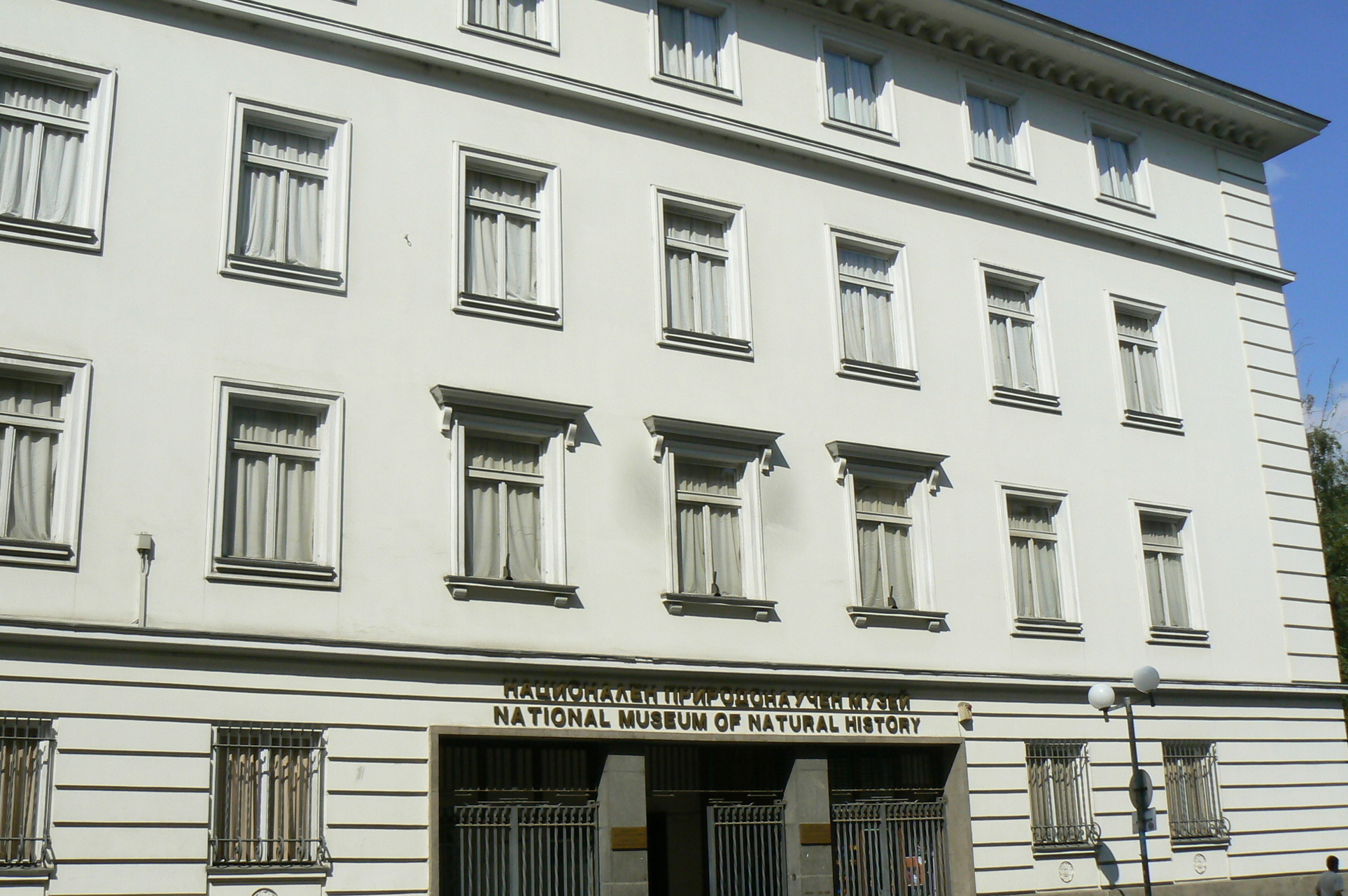

Nestled in the heart of Sofia, the National Museum of Natural History (NMNHS) stands as a testament to Bulgaria's rich natural heritage and scientific inquiry. As the first and richest natural history museum in the Balkans, it serves not only as a repository for the country’s biodiversity but also as a beacon of knowledge for the global scientific community.
The museum's origins trace back to 1889, when it was founded by Dr. Nikolai E. S. Stefanov. Initially established as a modest collection within the Sofia University, it quickly gained prominence due to the burgeoning interest in the natural sciences during the late 19th century. Over the years, it has evolved significantly, absorbing various collections and expanding its scope to include extensive exhibits on fauna, flora, fossils, and minerals. In 1938, the museum moved to its current location adjacent to the lush greenery of Borisova Gradina, further solidifying its position as a cultural and educational cornerstone in Sofia.
Architecturally, the NMNHS is a striking example of neo-Renaissance style, characterized by its elegant facade and grand entrance. The building, designed by architect Vladimir Rangelov, features intricate decorative elements that reflect the natural world, with sculpted motifs of plants and animals. Inside, visitors are greeted by a spacious atrium that houses a dramatic collection of dinosaur skeletons, evoking a sense of awe and wonder. The layout of the museum is as inviting as its exterior, seamlessly guiding guests through the various exhibits that showcase Bulgaria's rich environmental tapestry.
Local culture in Sofia is deeply intertwined with the natural and historical narratives encapsulated within the museum. The museum hosts annual events such as the Night of Museums and seasonal festivals celebrating biodiversity. These gatherings not only draw locals but also engage tourists, showcasing the importance of environmental awareness and conservation in Bulgarian society. Additionally, the museum often collaborates with local schools and universities, fostering a culture of scientific inquiry among younger generations.
When it comes to gastronomy, Sofia offers a delightful array of culinary experiences that reflect its rich cultural heritage. Nearby, visitors can find traditional Bulgarian dishes like banitsa (a savory pastry filled with cheese and egg) and kebapche (grilled minced meat), which echo the region's agricultural roots. After a day of exploration, guests can unwind with a glass of rakia, a potent fruit brandy that is an integral part of Bulgarian social gatherings. The museum's café occasionally features local specialties, allowing visitors to savor the tastes of Bulgaria while surrounded by the wonders of nature.
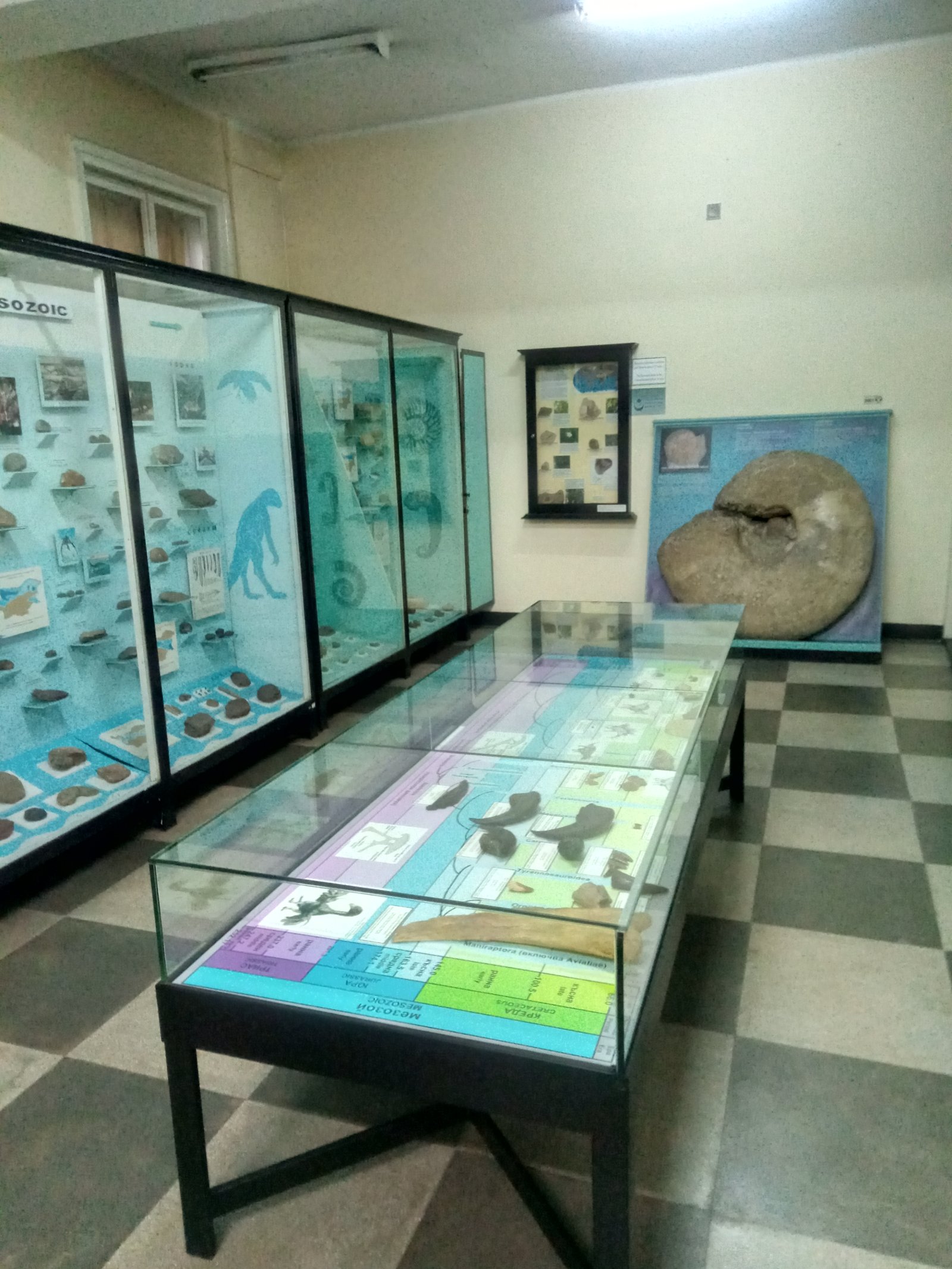
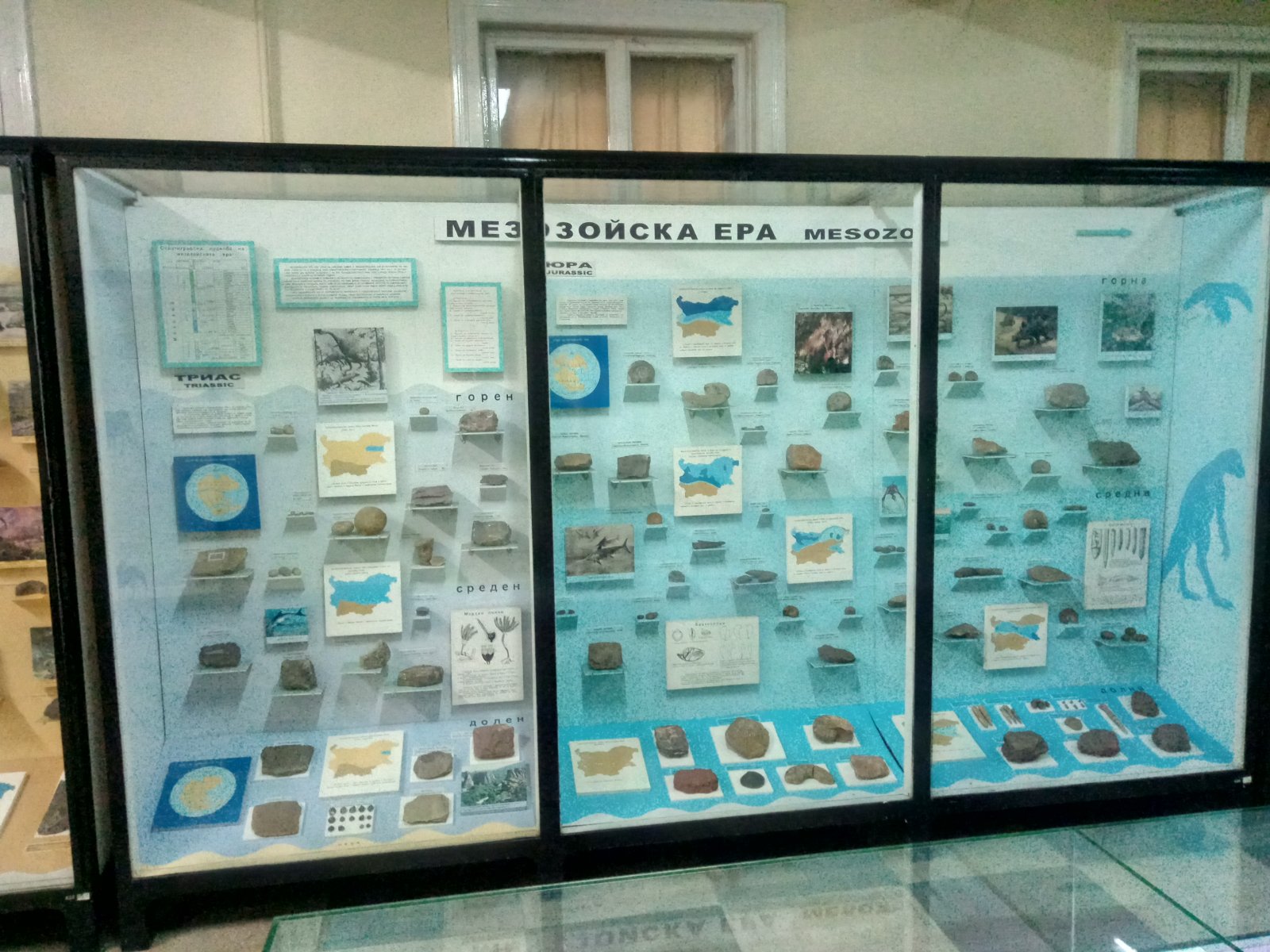
Among the NMNHS's treasures are several lesser-known curiosities that pique the interest of avid museum-goers. For instance, the museum is home to a rare collection of fossilized dinosaur eggs discovered in Bulgaria, which provides invaluable insight into the prehistoric world. Additionally, the museum's extensive collection of over 1.3 million specimens includes not only local fauna and flora but also exotic species collected from various expeditions worldwide. This breadth of collection highlights Bulgaria’s significant role in global biodiversity studies.
For those looking to explore the NMNHS, the best time to visit is during the spring and early autumn when Sofia's parks bloom with color, offering a beautiful backdrop to the museum's exhibits. Weekdays tend to be less crowded, making for a more intimate experience. It’s advisable to allocate at least two hours to fully appreciate the vast array of exhibits, particularly the extensive displays on fossils and mineralogy. Don’t miss the beautifully curated entomology section, which showcases the incredible diversity of insect life in Bulgaria.
Whether you're an avid naturalist or a casual visitor, the National Museum of Natural History in Sofia is a remarkable destination that encapsulates the beauty and complexity of our planet. Its blend of history, science, and culture makes it a must-visit for anyone traveling through the Balkans.
Use the Secret World app to effortlessly plan your personalized itinerary while exploring Sofia's rich offerings.


