The Royal Palace of Rabat, located in Rabat, Morocco, stands as a testament to the rich history and cultural significance of this majestic city. As the official residence of the late King Hassan II, the palace is a symbol of the Moroccan monarchy, though it is not the sole residence for the royal family, which has several palaces across the country. The grandeur of the palace and its gardens offers visitors a glimpse into the royal lifestyle and Morocco's historical heritage.
### History and Origins The Royal Palace was established in the late 17th century during the reign of Moulay Ismail, the Sultan of Morocco. Initially, the palace served as a fortress and a royal residence, embodying the power and authority of the Sultanate. Over the centuries, the palace has undergone several renovations and expansions, particularly during the reign of King Mohammed VI, who has modernized many aspects while preserving its historical essence.
One key historical event tied to the palace is the signing of the Treaty of Fez in 1912, which marked Morocco's status as a protectorate under French control. This treaty significantly impacted the palace's role, as it became a focal point for political discussions and negotiations between the Moroccan leadership and foreign powers.
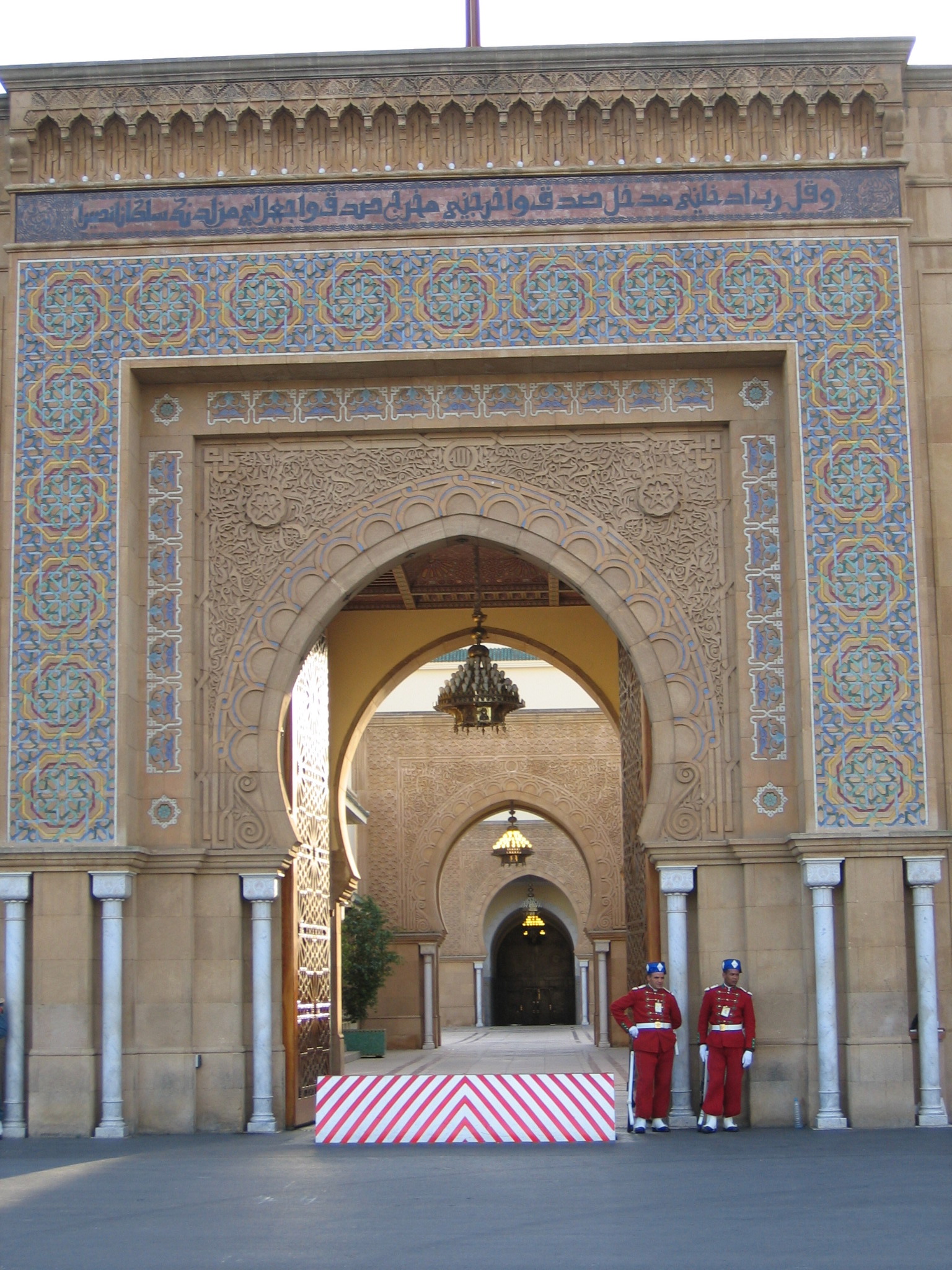
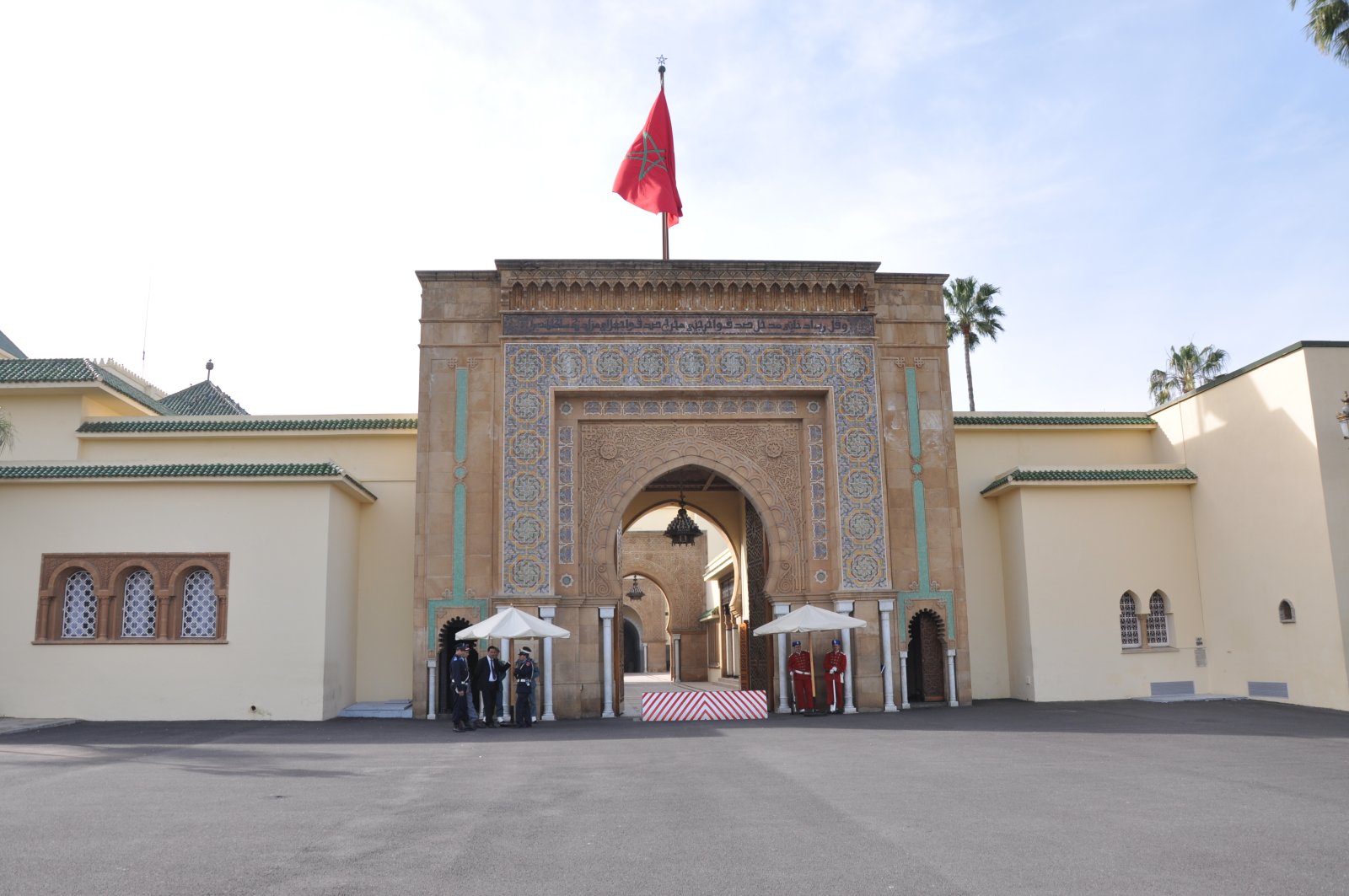
### Art and Architecture Architecturally, the Royal Palace is a stunning example of Moorish design, adorned with intricate tile work, arched doorways, and stunning courtyards. The palace exhibits a harmonious blend of traditional Moroccan styles with modern influences, showcasing a unique aesthetic that captivates visitors.
One cannot miss the grand Bab el-Had gate, which serves as the main entrance to the palace grounds. This magnificent gate is an exquisite work of art, featuring delicate carvings and elaborate mosaics. Inside the palace, visitors can stroll through the beautifully landscaped gardens, which are filled with fragrant citrus trees and colorful flowers, offering a peaceful retreat from the bustling city.
### Local Culture and Traditions The Royal Palace is not just a residence; it is a cultural hub that represents the heart of Moroccan traditions and customs. The palace grounds are occasionally used for significant cultural events, including royal ceremonies and national holidays, such as Throne Day, celebrated annually on July 30th. This day marks the ascension of the current king to the throne and is marked by grand celebrations across the country, with the palace as a focal point.
Moroccan hospitality is deeply rooted in the culture, and the palace serves as a reminder of the country's warm traditions. Visitors often find that the people of Rabat take great pride in their heritage, sharing stories of the palace and its significance with travelers.
### Gastronomy No visit to Rabat would be complete without indulging in the local gastronomy. While the palace itself does not offer dining options, nearby eateries serve up delectable Moroccan dishes that reflect the country’s rich culinary heritage. Couscous, often considered the national dish, is a must-try, typically served with tender vegetables and succulent meats. Tagine, a slow-cooked stew named after the earthenware pot it's cooked in, is another staple, featuring various combinations of meats and spices.
For those with a sweet tooth, pastilla—a flaky pastry filled with pigeon or chicken and dusted with powdered sugar and cinnamon—provides a delightful contrast of flavors. Pair these dishes with a refreshing glass of mint tea, a symbol of Moroccan hospitality, to fully immerse yourself in the local culinary experience.
### Lesser-Known Curiosities While the Royal Palace is a popular destination, several lesser-known curiosities intrigue visitors. For instance, the palace grounds house an impressive collection of artifacts, including ancient manuscripts and royal regalia, though these are not on public display. Another fascinating detail is the Royal Guard, responsible for the palace's security, dressed in traditional uniforms reminiscent of the Mamluk era, which adds a historical layer to the royal experience.
Additionally, the palace features a small museum that showcases royal artifacts and historical documents, providing a deeper understanding of Morocco's monarchy.
### Practical Visitor Information The best time to visit the Royal Palace of Rabat is during the spring (March to May) or fall (September to November) when the weather is mild, making outdoor exploration more enjoyable. While access to the palace itself is restricted, the gardens are open to the public, allowing for leisurely strolls amidst the beautiful landscaping.
When visiting, be sure to wear comfortable shoes, as the grounds are extensive. For photography enthusiasts, early morning or late afternoon light casts a warm glow on the palace's façade, creating stunning photo opportunities.
In conclusion, the Royal Palace of Rabat is not just a residence of the monarchy; it is a rich tapestry of Moroccan history, art, culture, and gastronomy. Exploring its grounds offers a unique insight into the soul of Morocco.
To make the most of your visit to Rabat, consider using the Secret World app to plan a personalized AI itinerary.