
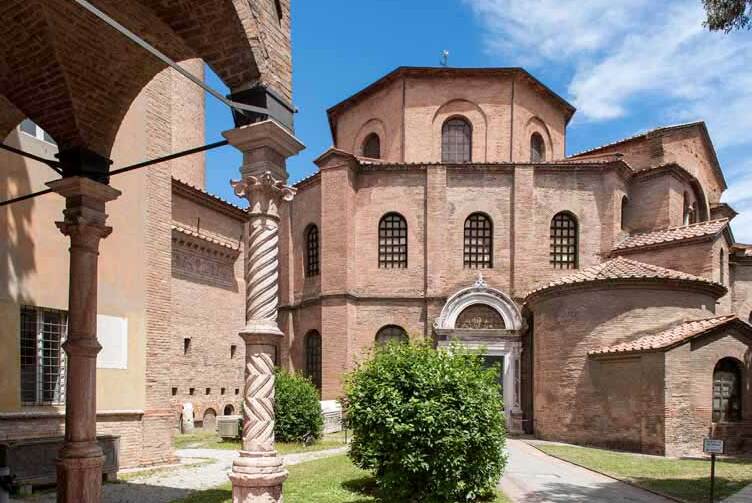

Nestled within the monumental complex of San Vitale, the National Museum of Ravenna is a treasure trove that captures the essence of a city steeped in history and art. Established in the 18th century through the diligent efforts of learned monks from the city’s grand abbeys, this museum offers a unique glimpse into the rich tapestry of Ravenna’s past, showcasing artifacts that span centuries and civilizations.

History and Origins
Ravenna, once the capital of the Western Roman Empire, has a deep and complex history that is reflected in its art and architecture. The establishment of the museum was part of a broader movement during the Enlightenment, where scholars sought to preserve the city’s rich heritage. The original nucleus consisted of archaeological finds that were meticulously cataloged and cared for by the Benedictine monks. Notably, the museum houses artifacts from the early Christian and Byzantine periods, which were instrumental in shaping the region’s cultural landscape.

Significant events, such as the crowning of Theodoric the Great in the 5th century, highlight Ravenna's historical importance. The city emerged as a center of power, influencing culture and religion across Europe. Today, the museum stands as a testament to that legacy, preserving relics like tombstones and Roman epigraphs, offering visitors a journey through time.
Art and Architecture
The architectural style of the National Museum of Ravenna is a harmonious blend of Benedictine simplicity and Renaissance elegance. As you ascend to the first floor, the structured layout of the museum allows for an immersive experience. Here, visitors can admire graceful Renaissance bronzes, a captivating collection of ivories, and a significant assortment of ceramics.
Among the museum's most prized possessions are the transennas and the cross from San Vitale, both integral to the UNESCO World Heritage Sites that adorn Ravenna. Additionally, the preparatory sinopia for the mosaic of Sant'Apollinare in Classe stands out as a remarkable example of early Christian artistry. The museum also features a stunning cycle of fourteenth-century frescoes, the masterpiece of Pietro da Rimini, which was salvaged from the ancient church of Santa Chiara.
Local Culture and Traditions
Ravenna is not just a repository of artifacts; it is a living canvas of culture and tradition. The city is renowned for its vibrant festivals, such as the Ravenna Festival, which celebrates music, dance, and theater in its historical venues. The event draws artists and performers from around the globe, creating an atmosphere of artistic exuberance.
Local customs are equally rich, with a strong emphasis on community and heritage. Visitors can often witness traditional performances and craft fairs that highlight the skills passed down through generations. Ravenna’s artisans are particularly known for their mosaic work, a skill that has been honed over centuries, making it a significant part of the local identity.
Gastronomy
No visit to Ravenna would be complete without indulging in its delightful gastronomy. The local cuisine reflects the flavors of the region, with dishes that tell stories of history and tradition. One must-try delicacy is cappelletti, small pasta filled with meat, often served in broth, showcasing the region's culinary roots.
Another regional favorite is pasta al forno, a baked pasta dish that embodies the warmth of Italian home cooking. Pair these culinary delights with a glass of local wine, such as Sangiovese, to truly savor the flavors of Ravenna. For dessert, pinza, a traditional sweet made with flour, raisins, and fruit, provides a perfect conclusion to any meal.
Lesser-Known Curiosities
While many visitors flock to the museum for its famous artifacts, there are lesser-known gems waiting to be discovered. One interesting fact is that the museum’s collection includes not only Roman and Byzantine artifacts but also a series of medieval weaponry that speaks to the city’s turbulent history.
Additionally, many tourists overlook the unique relationship between Ravenna and its mosaic art. The city is often referred to as the "City of Mosaics," and the techniques used by artisans are still practiced today, with workshops available for those interested in learning this intricate craft.
Practical Visitor Information
The best time to visit the National Museum of Ravenna is during the spring and fall when the weather is mild, and the tourist crowds are smaller. This allows for a more intimate experience, enabling you to soak in the beauty of the artworks without the hustle and bustle.
When planning your visit, consider taking a guided tour to gain deeper insights into the historical significance of the exhibits. Look for the museum’s special exhibitions, which often feature unique artifacts or themes not normally on display.
For a truly enriching experience, explore the museum's surroundings, including the nearby Basilica of San Vitale and the Mausoleum of Galla Placidia, both of which complement the museum's offerings.
The National Museum of Ravenna is a must-visit for anyone looking to immerse themselves in the art, history, and culture of this remarkable city. To make the most of your journey, consider using the Secret World app to plan a personalized AI itinerary to explore Ravenna.


