

Stepping into the Ethnographic Museum in Sofia, Bulgaria, is akin to embarking on a journey through the rich tapestry of Bulgarian culture. Nestled in a beautifully restored 19th-century building, this museum invites you to delve into the heart of local traditions, customs, and daily life.

The museum’s origins date back to 1904, when it was established to preserve and showcase the country's ethnographic heritage. Originally part of the National Museum, it became an independent institution in 1949. The building itself, designed in the Renaissance Revival style, is a testament to Bulgaria’s architectural evolution, featuring intricate details and a charming façade that reflects the cultural richness of the era. As you explore, you will notice the blend of classical and folk elements that characterize Bulgarian architecture.
Upon entering Hall 1, visitors are initially confronted with an unusual display: step-by-step instructions on how to make kirpich, or traditional clay bricks. It may seem a mundane start, but it sets the stage for understanding Bulgaria’s rural life. As you move deeper into the museum, you are greeted with an exhibition dedicated to the town of Yugavo in the Rhodope Mountains. Here, stunning black and white photographs showcase the village's inhabitants—men in traditional fezzes and women with hardened hands from years of toil in the fields. These images encapsulate the essence of Bulgarian resilience and the intimate connection between its people and the land.

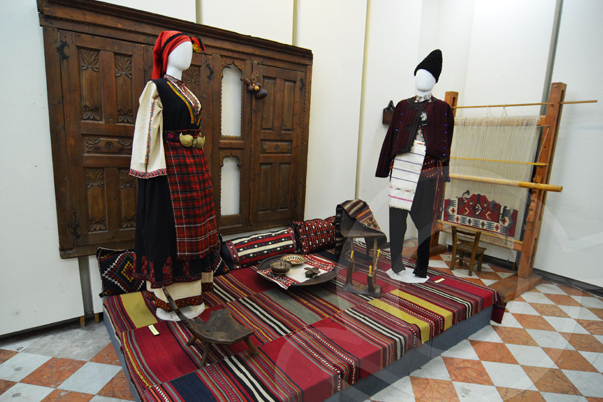
The museum further unfolds with displays of monumental looms and knitting needles that appear almost monstrous in size. They tell stories of craftsmanship and the importance of textiles in Bulgarian culture. Children’s toys, some with an eerie aura, reveal the darker aspects of folklore and the tales spun around them. These artifacts might seem unsettling, but they capture the imagination and illustrate the complexities of childhood in the past.
In addition to the exhibits, the Ethnographic Museum serves as a vibrant reminder of Bulgaria’s customs and traditions. Festivals such as Kukeri, celebrated with elaborate masks and costumes, are an integral part of the local culture. This ancient ritual, aimed at chasing away evil spirits and welcoming spring, showcases the country's rich folklore and the importance of community in preserving these customs.
No exploration of Bulgarian culture is complete without indulging in its gastronomy. The museum occasionally hosts events that feature traditional foods, allowing visitors to taste local specialties like sarmi (cabbage rolls) and banitsa (a savory pastry filled with cheese). Pairing these dishes with a glass of rakia, a potent fruit brandy, offers a true taste of Bulgarian hospitality. The flavors and aromas reflect the agricultural bounty of the land, where ingredients are sourced from local farms.
Among the hidden treasures of the Ethnographic Museum are lesser-known curiosities that most tourists may overlook. For instance, the museum houses a unique collection of traditional Bulgarian costumes, each representing different regions, complete with intricate embroidery and vibrant colors. These costumes are not merely clothing; they tell stories of local identities, family heritage, and the evolution of societal norms over centuries. Additionally, the museum's library holds rare manuscripts and documents that chronicle the socio-cultural landscape of Bulgaria, providing insights that are often missed by the casual observer.
For those planning a visit, the best time to explore the Ethnographic Museum is during the spring or early autumn when the weather is mild and conducive to wandering through Sofia’s historical streets. The museum is conveniently located near other key attractions, making it easy to combine visits. Arrive early to avoid crowds and take your time to absorb the intricate details of the exhibits. Don’t forget to inquire about any temporary exhibitions or workshops that may offer hands-on experiences, enriching your understanding of Bulgarian culture.
In conclusion, the Ethnographic Museum in Sofia is not just a destination; it is a vibrant storyteller of Bulgaria’s rich heritage. It allows visitors to connect with the past and appreciate the cultural evolution of the nation. To truly grasp the depth of Sofia's offerings, consider planning your visit with personalized insights through the Secret World app for a tailored experience.


