

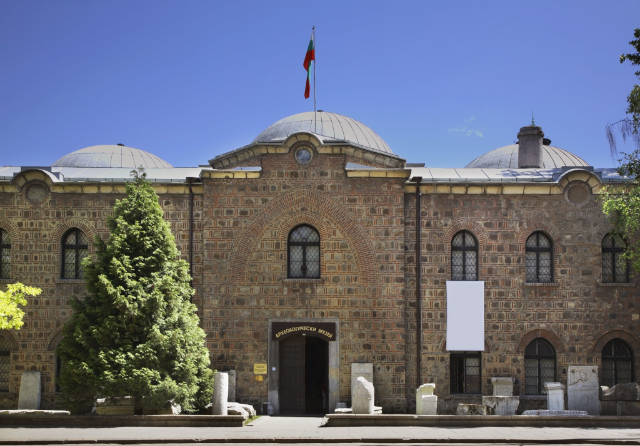
The National Archaeological Museum in Sofia is a true treasure chest of history, housed in one of the city's most fascinating buildings: a former Ottoman mosque, known as the Büyük Mosque, the largest in Sofia. Founded in 1892 and officially opened to the public in 1908, this museum is not only the oldest in Bulgaria, but also one of the most important archaeological research institutes in Southeastern Europe.
A Museum with a Unique History
The building that houses the museum dates back to the 15th century and combines the majesty of Ottoman architecture with the importance of the collections housed within. Walking through its halls, there is an atmosphere that interweaves past and present, allowing visitors to take a journey through the thousand-year history of Bulgaria and the Balkan region.
The Museum Collections
The museum offers a rich collection covering the span of more than 8,000 years, from prehistory to the Middle Ages. Its permanent exhibits include:
Legendary Treasures
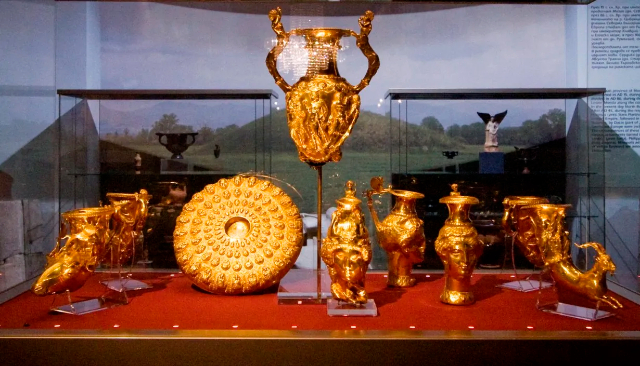
Treasure of Vulchitrun
One of Bulgaria's most spectacular gold treasures, accidentally discovered by two little brothers in a vineyard. The treasure, dating back to the 13th century B.C.E., includes ritual gold objects, including plates, jugs, and a 4.5-kilogram vase, totaling 13 kilograms of pure gold.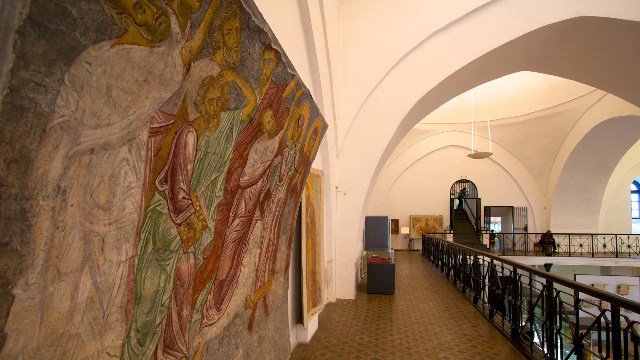
- .
The Lukovit Treasury
Risalongside the 4th century BCE, this Thracian treasure includes gilded silver decorations, fibulae, and jewelry, testifying to the craftsmanship of the Thracians. - .
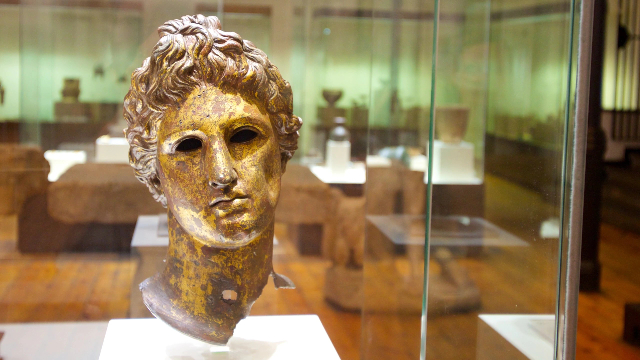
Funeral Crown of Seuthes III
An extraordinary collection of objects from the tomb of the Thracian king Seuthes III. It includes a solid gold funerary mask, a crown and jewelry, symbols of the ruler's power and status.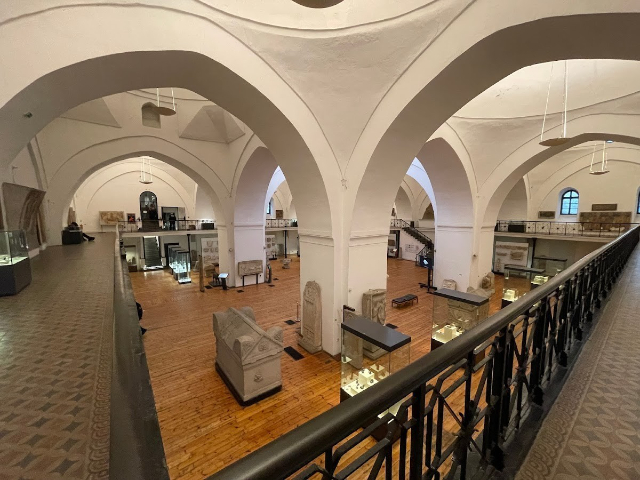
Prehistoric Objects and Antiquities
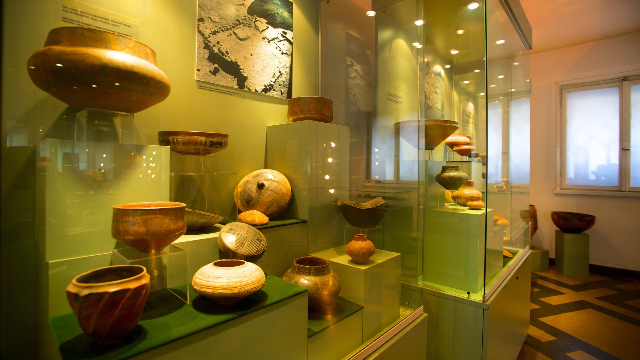
- Prehistoric Tools and Pottery: Dating from periods ranging from the Paleolithic to the Neolithic, they show the life of early human communities in the Balkans.
- Ancient Coins: An incredible collection of coins tracing successive civilizations in the region, including the Thracians, Greeks, Romans, and Byzantines.
Medieval Art and Monuments
.- Medieval Frescoes: Recovered from Bulgarian churches and monasteries, they tell the story of the development of sacred art during the First and Second Bulgarian Empires.
- Religious relics and crosses: Works of extraordinary beauty and historical significance.
Temporary Exhibitions
.The museum regularly hosts temporary exhibitions exploring specific themes, such as daily life in antiquity, the mysteries of Thracian culture, or Byzantine influences on the region.
A Place of Research and Knowledge
In addition to being one of Sofia's main tourist attractions, the National Archaeological Museum collaborates with the Bulgarian Archaeological Institute, the largest archaeological research center in Southeastern Europe. This combination makes it a point of reference for scholars and the curious alike.
Visit Tips
.- Don't miss the treasures: The treasures of Vulchitrun, Lukovit and Seuthes III are among the highlights of the exhibition.
- Guided Tour: To delve into the history and secrets behind the exhibits, a guided tour is highly recommended.
- Time Needed: Spend at least 2 hours to fully appreciate the richness of the collections.
A Journey into the Past
.The National Archaeological Museum is a must-see for anyone visiting Sofia, offering a unique cultural experience combining history, art, and archaeology. Not only does it represent Bulgaria's historical memory, but it is also an open window into a past that helped shape the identity of the entire Balkan region.
Don't forget your camera to capture the enchanting exterior architecture and get ready to immerse yourself in an extraordinary journey through history!


