
← Back

The Kasba of the Oudaïa

Rabat 10000, Marocco ★★★★☆ 270 views
Lara Kipling
Rabat
🏆 AI Trip Planner 2026

Get the free app

Discover the best of Rabat with Secret World — the AI trip planner with 1M+ destinations. Get personalized itineraries, hidden gems and local tips. Free on iOS & Android.

🧠 AI Itineraries 🎒 Trip Toolkit 🎮 KnowWhere Game 🎧 Audio Guides 📹 Videos
Download on the App Store Get it on Google Play
Scan to download Scan to download
The Kasba of the Oudaïa - Rabat | Secret World Trip Planner

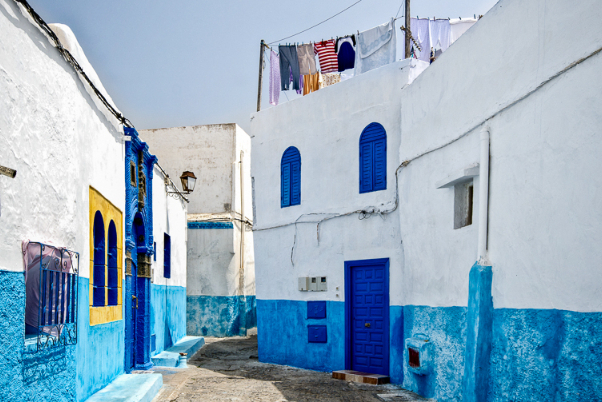
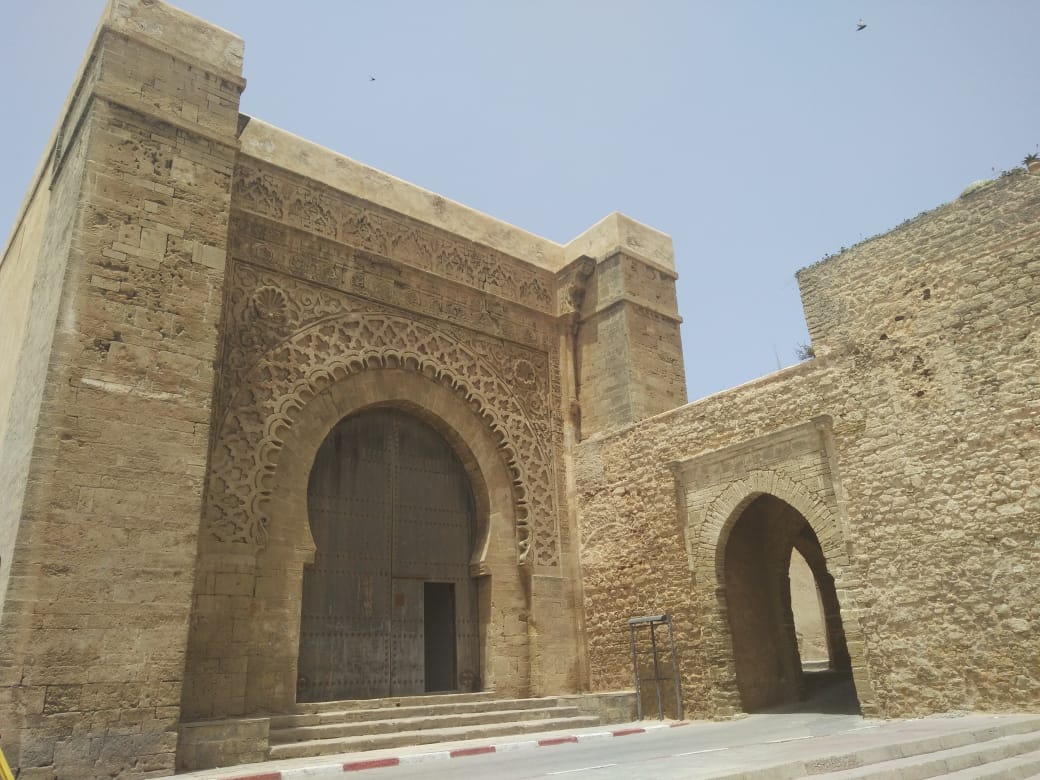
The Kasbah of the Oudaïa stands as a testament to Rabat's rich history and vibrant culture. Perched on the heights of the southern shore of the Rabat estuary, this unique fortress is a mesmerizing blend of history, art, and tradition. Its striking blue and white walls tell stories of the past, echoing the influence of the Almohad sultans who commissioned its construction in the 12th century. Originally built by Abd-el-Moumen and Yacoub el-Mansour, the Kasbah served as a stronghold for the Oudaïa tribe, guardians of the city and its coastline. As you wander through Jemâa Street, the main artery of the Kasbah, you'll be treated to breathtaking views of the Atlantic Ocean, making it a must-visit destination in Morocco.

The Kasba of the Oudaïa - Rabat | Secret World Trip Planner

### History and Origins The roots of the Kasbah of the Oudaïa reach back to the Almohad dynasty, a period marked by cultural and architectural innovation. The fortress was established in 1150 under the reign of Abd-el-Moumen, who aimed to fortify Rabat against invaders and pirates. Following this, Yacoub el-Mansour expanded the fortress, enhancing its strategic position along the estuary. Not just a military bastion, the Kasbah also became a vibrant community, where the Oudaïa tribe lived and thrived. Over the centuries, it has witnessed significant historical events, including the arrival of the Andalusian refugees fleeing the Reconquista in the late 15th century, who further enriched its cultural tapestry.

### Art and Architecture The architectural style of the Kasbah is a striking combination of Islamic and Andalusian influences, characterized by intricate tiles, arched doorways, and serene courtyards. The blue and white walls are particularly iconic, creating a stunning contrast against the golden sands and azure waters of the Atlantic. Within the Kasbah, visitors can admire the delicate zellij mosaics and intricately carved woodwork that embellish various structures. Notably, the Oudaïa Museum, housed in a former palace, showcases a rich collection of traditional Moroccan art, including textiles, pottery, and weapons, offering a glimpse into the region's artistic heritage.

The Kasba of the Oudaïa - Rabat | Secret World Trip Planner

### Local Culture and Traditions The Kasbah is not just an architectural marvel; it is a living testament to the cultural traditions of Rabat. The Oudaïa tribe has maintained many of its customs, and visitors can experience local life through the weekly markets and vibrant festivals. One of the most significant events is the Moussems, traditional festivals that include music, dance, and culinary delights, celebrating the region's rich heritage. The gnawa music, characterized by its rhythmic beats and soulful melodies, often fills the air, inviting both locals and tourists to join in the celebration.

### Gastronomy When visiting the Kasbah, indulging in the local cuisine is a must. Tagine, a slow-cooked stew made with meat or vegetables, is a staple dish, often flavored with spices like saffron and cumin. Couscous is another beloved traditional dish, typically served on Fridays, and is often accompanied by a rich broth and vegetables. Don't miss the chance to sip on mint tea, a symbol of Moroccan hospitality, served in ornate glasses. The cafes lining the Kasbah offer stunning views of the estuary while savoring these local flavors.

### Lesser-Known Curiosities While many tourists flock to the main attractions, some lesser-known curiosities within the Kasbah often go unnoticed. For instance, hidden behind the bustling streets are the Andalusian Gardens, a peaceful retreat featuring lush greenery and fountains, perfect for a quiet escape. Additionally, the Kasbah’s walls hold stories of battles and sieges that shaped Rabat's history, including the infamous Battle of the Kasbah in the 17th century. Many visitors also miss the Rue des Consuls, a charming street lined with artisan shops, where you can find handmade crafts and souvenirs.

### Practical Visitor Information The best time to visit the Kasbah of the Oudaïa is during the spring (March to May) or fall (September to November) when the weather is mild and ideal for exploring. To fully appreciate its beauty, plan to visit early in the morning or late afternoon when the sunlight casts a golden hue over the blue walls. Don’t forget to bring your camera to capture the stunning vistas of the Atlantic and the intricate details of the architecture. For a more immersive experience, consider a guided tour to delve deeper into the history and culture of this enchanting place.

In the Kasbah of the Oudaïa, history, art, and culture intertwine, creating an unforgettable experience for every traveler. To make the most of your journey in Rabat, consider using the Secret World app to plan a personalized AI itinerary.

🗺 AI Trip Planner

Plan your visit to Rabat

Suggested itinerary near The Kasba of the Oudaïa

MAJ+
500.000+ travelers worldwide
  1. 🌅
    Morning
    The Kasba of the Oudaïa
    📍 Rabat
  2. ☀️
    Afternoon
    Chellah Necropolis is a fortified necropolis in Rabat
    📍 0 km da Rabat
  3. 🌆
    Evening
    Royal Palace of Rabat
    📍 0 km da Rabat

Buy Unique Travel Experiences

Powered by Viator

See more on Viator.com

Explore nearby · Rabat
