


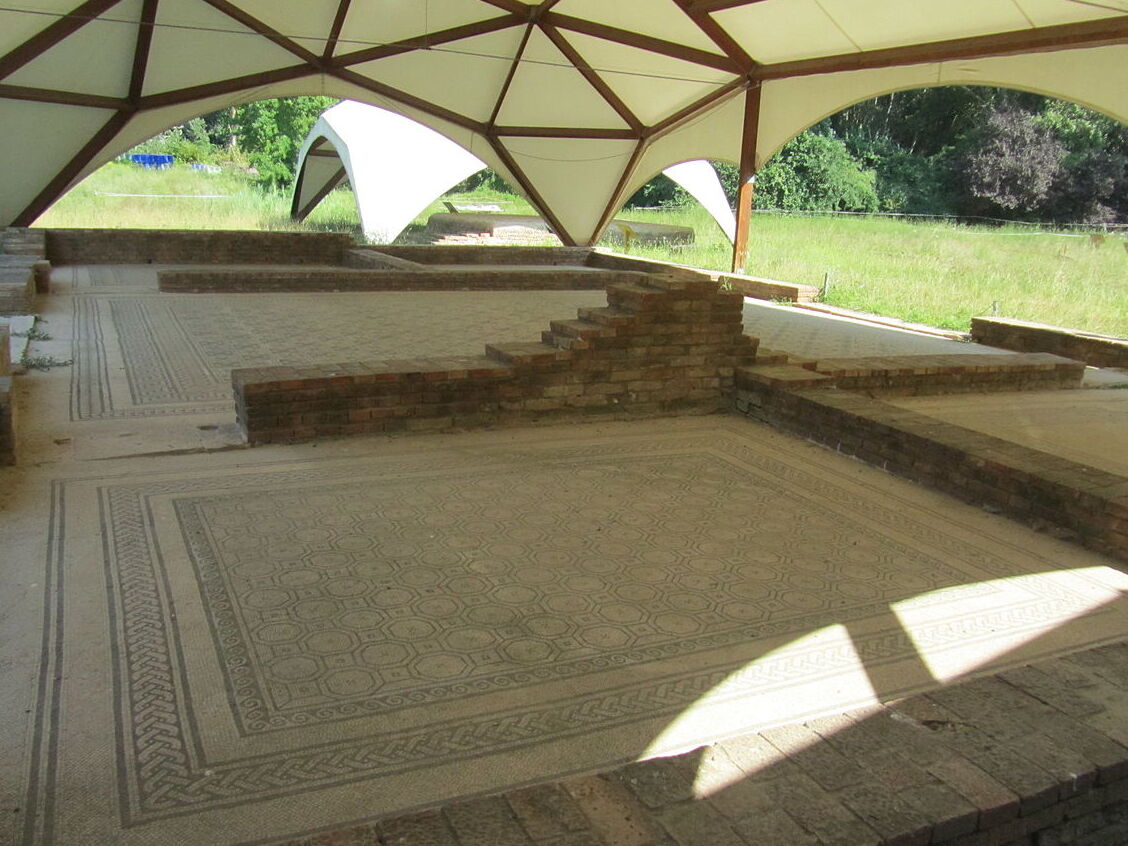
Nestled in the heart of Russi, Italy, the Villa Rustica stands as a captivating testament to the grandeur of Roman agricultural life. Once a flourishing estate between the 1st and 2nd centuries A.D., this villa was not just a residence; it was a hub of economic activity that catered to the needs of the mighty Roman military stationed in nearby Ravenna.
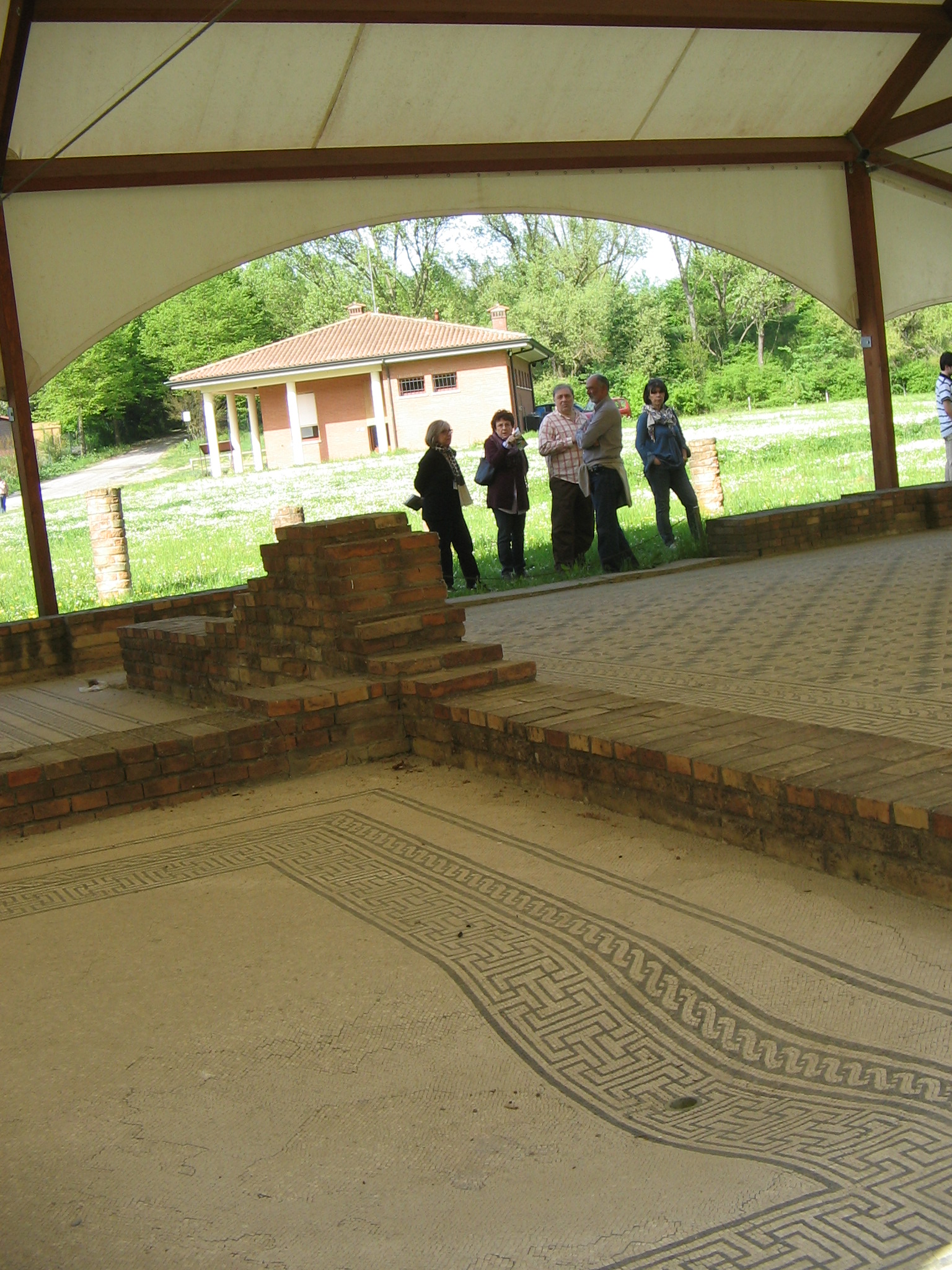
The villa's origins can be traced back to a time when agriculture was the backbone of the Roman economy. It is believed that its owner, likely a prosperous landowner, amassed wealth by supplying surplus crops to the military fleet. This strategic location allowed the villa to thrive, with a freedman acting as the procurator, overseeing the extensive labor force of slaves responsible for the demanding agricultural work. This included everything from ploughing and sowing to harvesting grains and pressing grapes—activities that would define the villa's agricultural prowess.
As you explore the remains of the Villa Rustica, you can't help but imagine the lavish lifestyle that its owner enjoyed. The villa featured a triclinium, where sumptuous feasts were held, and a tablinum, which served as a reception room, showcasing the wealth and status of its inhabitants. The presence of spa facilities and intricate mosaic floors adds a layer of artistic finesse, reflecting the Roman penchant for luxury and aesthetics.

Architecturally, the villa exhibits typical Roman styles with a layout designed for both functionality and grandeur. The complex included two warehouses—one linked to the torcularium, where grape pressing occurred, and another dedicated to grain storage. This thoughtful design highlights the importance of wine and grain in the Roman diet and economy, with wine amphorae serving as reminders of the villa's bustling past.
The villa's decline began with the expulsion of the military fleet, a turning point that coincided with the shifting tides of power in the region. By 401 A.D., when the imperial court moved to Ravenna, the villa saw a brief resurgence but was ultimately abandoned in the early Middle Ages. By the end of the 7th century, it had succumbed to the ravages of time, leaving behind a landscape that was largely desolate.
Local culture in Russi is steeped in history, with traditions that echo the past. The region celebrates various festivals, often rooted in agricultural practices, honoring the cycles of sowing and harvesting that have sustained the community for centuries. These events allow visitors to engage with the vibrant local culture, where music, dance, and traditional crafts come alive, providing a glimpse into the lives of the inhabitants who once thrived here.
Gastronomically, Russi is known for its rich culinary heritage. Local specialties often include dishes made from grains and wines that hark back to the villa's agricultural roots. Expect to find hearty pasta dishes accompanied by robust sauces, as well as exquisite wines produced from the vineyards that still flourish in the surrounding area. Sampling the local Sangiovese wine, a varietal grown in the region, is a must for anyone wishing to connect with the flavors of the past.
For the curious traveler, the villa harbors lesser-known curiosities. One intriguing fact is the villa's connection to the military; it served as more than a simple agricultural estate but as a vital supply point during a pivotal era in Roman history. The remnants of ancient frescoes and mosaics are also worth noting, as they may hold clues to the everyday lives of those who inhabited the villa long ago.
When considering a visit to Russi, the best time to explore the Villa Rustica is during the spring and fall. These seasons offer mild weather, perfect for wandering the grounds and soaking in the historical ambiance. Be sure to bring a camera to capture the intricate details of the mosaics and the serene landscape that surrounds the villa. Additionally, engaging a local guide can enrich your experience, providing insights that you might miss when exploring independently.
As you stroll through the remnants of this once-thriving estate, consider the stories of the people who lived and worked here. The Villa Rustica of Russi is not merely a collection of stones; it is a portal to the past, inviting you to reflect on the agricultural legacy that shaped much of Italy's history.
To make the most of your visit, consider using the Secret World app to craft a personalized itinerary that highlights the hidden gems of Russi.
